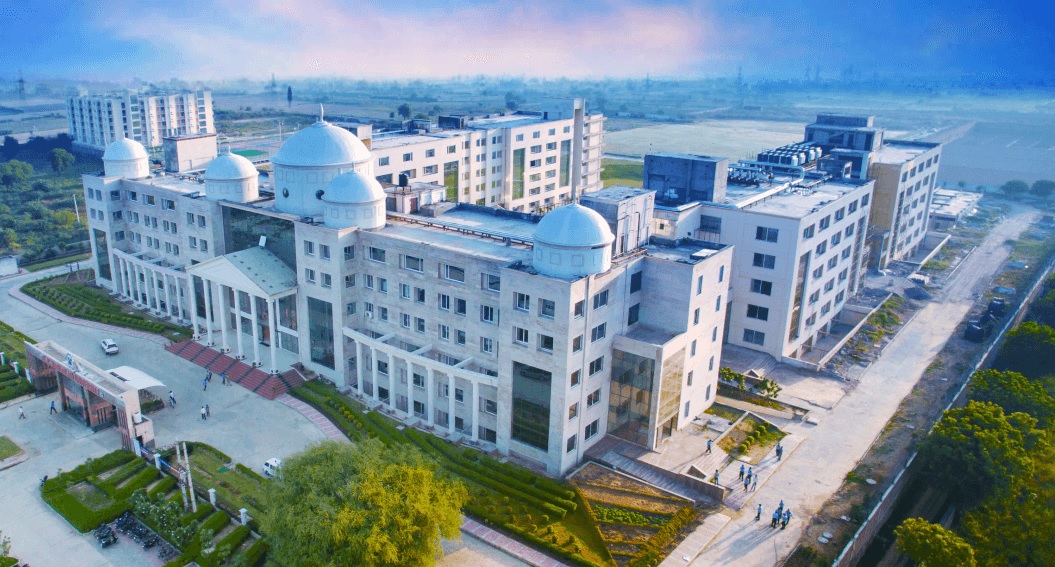



Choosing the right school is one of the most important decisions parents make because schools shape much more than academic performance. A good school influences a child's confidence, communication skills, discipline, creativity, emotional growth, leadership ability, and long-term career readiness.
Chandigarh has long been regarded as one of India's leading education destinations. Known for its planned infrastructure, high literacy levels, and strong educational ecosystem, the city attracts families from across North India seeking quality schooling opportunities.
However, having access to many reputed schools can make the admission process more challenging.
Today, almost every institution promotes:
- Smart classrooms
- Modern infrastructure
- Digital learning
- International exposure
- Excellent board examination results
- Holistic development programs
While these facilities can certainly enhance the learning experience, they do not automatically guarantee educational quality.
The best school is not necessarily the school with the biggest campus, the highest fee structure, or the most impressive marketing campaigns.
The right school is the one that genuinely helps a child grow academically, emotionally, socially, and practically.
If you are exploring educational options, you can compare some of the Best Schools in Chandigarh before making your admission decision.
Why School Selection Matters More Than Ever
Education has changed significantly over the past decade.
Earlier, many parents selected schools mainly based on:
- Board examination results
- Discipline
- School reputation
- Distance from home
While these factors remain important, today's world demands much more from students.
According to the World Economic Forum's Future of Jobs Report, future careers increasingly require skills such as:
- Critical thinking
- Creativity
- Analytical ability
- Adaptability
- Leadership
- Communication skills
- Technology literacy
This means schools are no longer preparing students only for examinations. They are preparing them for future careers, higher education, entrepreneurship, and rapidly evolving workplaces.
Why Chandigarh Is Considered One of India's Leading Education Cities
Chandigarh has consistently earned recognition for its educational standards. The city enjoys one of the highest literacy rates in India and has developed a strong ecosystem of public, private, CBSE, ICSE, and international schools.
The city's planned urban design, strong civic infrastructure, and focus on educational development have helped create a favorable learning environment for students.
According to UDISE+ school education data, Chandigarh maintains a student-teacher ratio that generally performs better than many regions of the country. Access to libraries, internet connectivity, drinking water facilities, science laboratories, and digital learning infrastructure is also widespread across schools.
As a result, parents often view Chandigarh as a city where students can receive quality education while also benefiting from strong extracurricular and skill-development opportunities.
What Makes a School Truly Good?
Many parents assume that expensive schools automatically provide better education.
In reality, educational quality depends on several practical factors.
- Teacher quality
- Student-teacher ratio
- Academic support systems
- Learning environment
- Technology integration
- Safety measures
- Extracurricular exposure
- Communication with parents
- Student wellbeing support
Children spend thousands of hours inside school campuses. The culture of a school therefore influences not only marks but also confidence, personality development, social skills, and future readiness.
Teacher Quality Is More Important Than Infrastructure
Many schools invest heavily in:
- Digital classrooms
- Air-conditioned facilities
- Modern buildings
- Technology-enabled campuses
These facilities are valuable, but teachers ultimately determine the quality of learning.
According to UNESCO's Quality Learning framework, qualified teachers and learner-centered teaching methods remain among the strongest contributors to positive student outcomes.
Strong teachers help students:
- Understand concepts deeply
- Develop curiosity
- Improve communication skills
- Build confidence
- Stay academically motivated
- Strengthen problem-solving abilities
Parents should therefore focus more on teaching quality rather than only infrastructure.
Why Student-Teacher Ratio Matters
One factor many parents overlook is classroom strength.
Overcrowded classrooms can reduce:
- Individual attention
- Class participation
- Doubt-solving opportunities
- Teacher-student interaction
According to the Right to Education (RTE) Act, maintaining appropriate pupil-teacher ratios is important for quality learning.
Recommended Student-Teacher Ratio
| School Level | Recommended Ratio |
|---|---|
| Pre-Primary | 15:1 to 20:1 |
| Primary | Around 30:1 |
| Upper Primary | Around 35:1 |
Schools with balanced classroom sizes generally provide stronger academic support and healthier learning environments.
Some of Chandigarh's Most Respected Schools
Chandigarh is home to several highly regarded educational institutions that have built strong reputations over the years.
Schools frequently recognized by parents and educators include:
- Ryan International School, Sector 49-B
- DAV Senior Secondary School
- Saint Soldier International School, Chandigarh
- Mount Carmel School Sector Chandigarh
- Concept-based learning
- Critical thinking
- Research-oriented projects
- Practical understanding
- Communication development
- Problem-solving skills
- Sports
- Debates
- Music
- Dance
- Theatre
- Art
- Coding clubs
- Robotics competitions
- STEM activities
- Leadership
- Communication skills
- Confidence
- Creativity
- Teamwork
- Problem-solving ability
- Interactive learning
- Digital assignments
- Online assessments
- Parent communication
- Skill development
- Counseling support
- Confidence-building programs
- Stress management
- Student wellbeing initiatives
- Healthy classroom culture
- How are weak students supported?
- What teaching methodologies are followed?
- How frequently are assessments conducted?
- What is the average teacher experience level?
- How frequently are teachers trained?
- What extracurricular opportunities are available?
- Are sports and competitions encouraged?
- How is technology integrated into learning?
- Are coding and robotics programs available?
- What transport safety measures exist?
- Is medical support available on campus?
- Choosing schools only because they are famous
- Focusing only on infrastructure
- Selecting schools solely based on board results
- Ignoring school culture
- Overlooking student wellbeing support
- Following trends instead of child suitability
- Learn confidently
- Build communication skills
- Develop creativity
- Explore interests
- Grow emotionally
- Become future-ready
Each institution has its own strengths, teaching philosophy, extracurricular opportunities, and learning environment. Parents should evaluate schools individually rather than relying solely on popularity or rankings.
Academics Are Important, But Not Enough
Board examination performance matters, but modern education cannot rely only on memorization.
Good schools increasingly focus on:
Students who understand concepts deeply often perform better in competitive examinations, higher education, and future careers.
Extracurricular Activities Are Essential for Overall Development
Many parents still consider extracurricular activities secondary compared to academics.
However, activities outside classrooms play a major role in personality development.
Good schools usually provide opportunities in:
These activities help students improve:
Technology Integration Is Becoming Increasingly Important
Today's students are growing up in a digital world.
Modern schools increasingly use technology for:
Common Technology Platforms Used in Schools
| Area | Examples |
|---|---|
| Smart Learning | Google Classroom, Microsoft Teams |
| Communication | Parent Apps, ERP Systems, CampusCare |
| Coding Education | Scratch, Python Basics, Robotics Kits |
| Assessments | Digital Tests and Online Reports |
Mental Health and Emotional Wellbeing Matter More Today
Students today face increasing academic pressure and competition.
Good schools increasingly focus on:
Children generally learn more effectively when they feel emotionally safe, respected, and supported.
Questions Parents Should Ask Before Taking Admission
Academics
Teachers
Activities
Technology
Safety
Common Mistakes Parents Should Avoid
Every child learns differently. The best school for one child may not necessarily be the best school for another.
Final Verdict
The Best Schools in Chandigarh are not automatically the schools with the highest fees or the largest campuses.
The right school is one that helps your child:
Parents should focus more on teaching quality, student wellbeing, balanced learning, extracurricular exposure, and healthy school culture rather than blindly following rankings or advertisements.
Because ultimately, schools do not only prepare children for examinations-they prepare children for life.
Frequently Asked Questions (FAQs)
Which is the best school in Chandigarh?
There is no single school that is best for every child. The ideal school depends on factors such as learning style, academic goals, extracurricular interests, budget, and location. Parents should compare teaching quality, student support systems, and overall school culture before making a decision.
Are expensive schools always better?
Not necessarily. Higher fees often reflect infrastructure and facilities, but educational quality depends more on teaching effectiveness, student support, classroom environment, and learning outcomes. Some moderately priced schools provide excellent educational experiences.
Why is student-teacher ratio important?
A balanced student-teacher ratio allows teachers to provide more personalized attention, improve classroom participation, and identify learning challenges early. Smaller class sizes often contribute to better academic engagement and student confidence.
How important are extracurricular activities?
Extracurricular activities help students develop leadership, teamwork, communication skills, creativity, and self-confidence. These qualities are increasingly valued by universities and employers alongside academic achievements.
What should parents focus on during school visits?
Parents should observe classroom interactions, student engagement, teacher behavior, safety systems, extracurricular facilities, and overall school culture. These factors often reveal more about a school's quality than marketing materials.
How can parents assess teaching quality?
Parents can inquire about teacher qualifications, teaching methodologies, faculty training programs, and academic support systems. Interacting with existing parents and reviewing student experiences can also provide useful insights.
Why is emotional wellbeing important in schools?
Students perform better academically when they feel emotionally secure and supported. Schools that provide counseling services, positive learning environments, and wellbeing programs often contribute to healthier student development.
Is technology integration necessary in schools?
Yes. Technology helps students develop digital literacy, research skills, collaboration abilities, and familiarity with tools they may use in higher education and future careers. However, technology should support learning rather than replace effective teaching.
How early should parents start researching schools?
Ideally, parents should begin researching schools several months before admission season. Early planning provides time to compare options, visit campuses, understand admission requirements, and make informed decisions.
What makes a school future-ready?
A future-ready school combines strong academics with communication development, technology integration, leadership opportunities, practical learning experiences, emotional wellbeing support, and extracurricular exposure. Such schools help students adapt to changing educational and career landscapes.