

Introduction
Engineering and technology offer students opportunities to develop technical knowledge, problem-solving abilities, and practical skills. For students planning to pursue advanced studies in engineering, selecting a suitable academic pathway is an important step towards long-term career development.
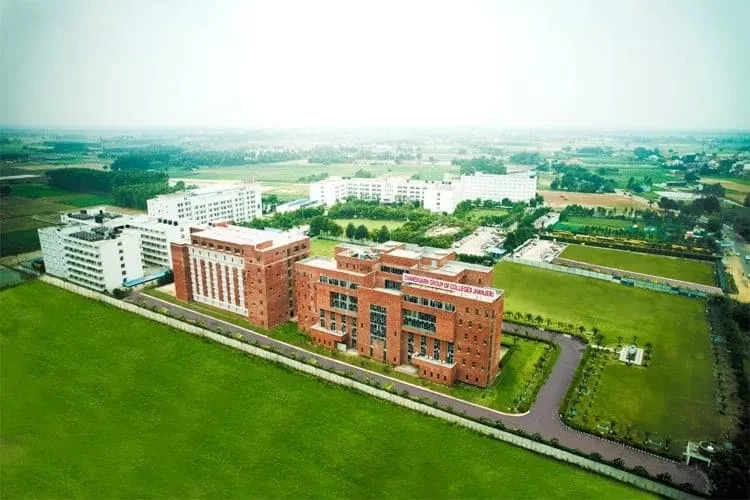
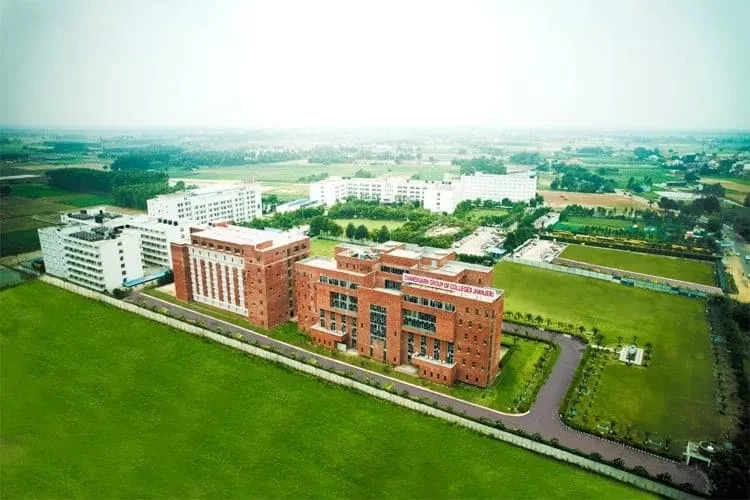
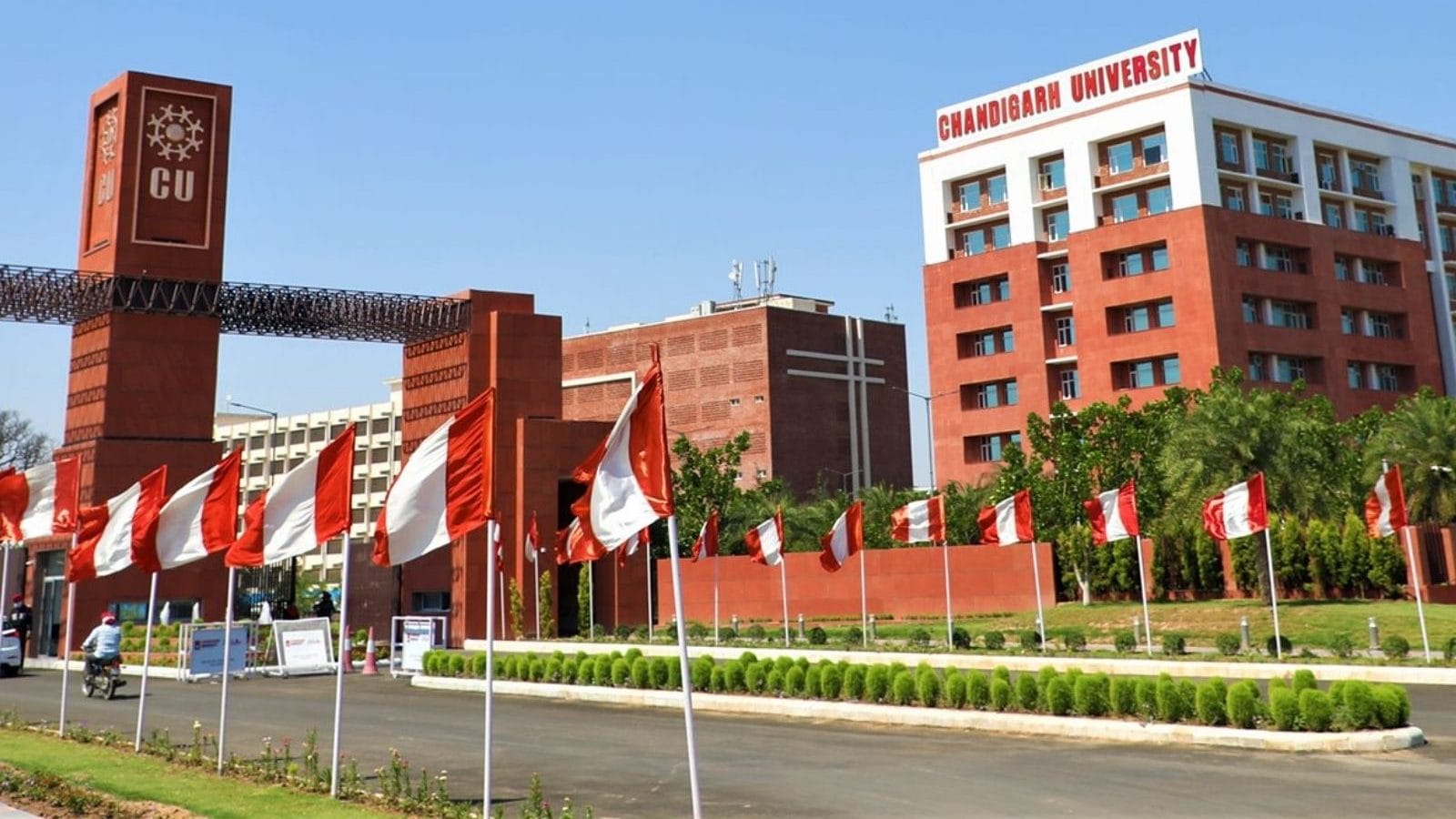
The Bachelor of Technology + Master of Technology programme at Chandigarh University, Lucknow, is an option students may wish to explore while researching engineering education. Understanding the academic structure, learning opportunities, financial requirements, and potential career pathways can help students evaluate whether the programme matches their future plans.
Understanding the Engineering Learning Journey
Engineering education generally progresses from fundamental concepts to specialised technical knowledge. Students begin by studying scientific principles, mathematics, and core engineering subjects before exploring advanced topics related to their chosen discipline.
A combined bachelor's and master's pathway may provide a structured route from foundational learning to advanced study, depending on the institution's programme design.
Students should examine the curriculum to understand how theoretical subjects, practical assignments, laboratory sessions, projects, and advanced technical studies are organised. They should also confirm the programme duration and the exact qualifications awarded.
Developing Technical Skills Beyond the Classroom
Technical knowledge becomes more valuable when students learn to apply it to practical situations. Engineering programmes may include laboratory exercises, team projects, design assignments, and problem-solving activities that help students understand real-world applications.
Students evaluating the programme should look into opportunities for:
- Applying engineering concepts to practical problems
- Developing analytical and critical-thinking skills
- Working on individual and team-based projects
- Learning relevant technical tools and software
- Participating in technical competitions and student activities
- Exploring internships and industry exposure
The availability of these opportunities depends on the programme and campus facilities. Students should verify the practical learning components relevant to their intended engineering discipline.
Engineering Disciplines and Specialisation Options
Engineering includes several disciplines, each with its own subjects, skill requirements, and professional applications. Understanding these differences can help students identify a field that matches their interests and career plans.
Some engineering disciplines students may research include:
- Computer Science and Engineering
- Artificial Intelligence and related technologies
- Electronics and Communication Engineering
- Mechanical Engineering
- Civil Engineering
These are examples of engineering disciplines and are not a confirmed list of specialisations available under this specific programme. Students should check the official programme details to confirm the options offered at the Lucknow campus.
Eligibility and Admission Procedure
Admission requirements depend on the programme structure, selected engineering discipline, and current institutional guidelines.
For undergraduate engineering entry, students generally need to complete Class 12 or an equivalent examination with the subjects and minimum marks specified by the institution. Additional entrance examinations or selection requirements may apply.
The general admission process includes:
- Checking the official programme listing and eligibility criteria
- Reviewing available engineering specialisations
- Completing the application form through the authorised admission portal
- Submitting the required academic documents
- Meeting applicable entrance examination or selection requirements
- Reviewing the admission offer and completing the prescribed formalities
Students should confirm whether this programme is currently offered at the Lucknow campus and verify the exact admission requirements before applying.
Course Fees and Financial Planning
The cost of an engineering programme includes more than tuition fees. Students and families should review the complete fee structure to understand the financial commitment involved.
Expenses may include:
- Tuition fees
- Registration and examination charges
- Hostel and accommodation expenses
- Food and mess charges
- Books, software, and study materials
- Transportation and personal expenses
- Other applicable academic charges
For an integrated degree pathway, students should clarify the total programme cost, payment schedule, and any changes in fees across different academic stages.
Scholarships or financial assistance may be available subject to institutional policies and eligibility conditions. Students should consult official sources for current fee details, scholarship terms, and refund policies.
Practical Learning and Campus Experience
Engineering education benefits from a balance of classroom instruction and practical application. Laboratories, technical assignments, projects, and collaborative activities can help students connect theoretical concepts with real-world problems.
While evaluating the campus, students should review the availability of:
- Engineering and computer laboratories
- Library and digital learning resources
- Technical projects and practical assignments
- Research and innovation opportunities
- Student clubs and technical activities
- Accommodation and recreational facilities
- Career guidance and placement support
The relevance of these facilities depends on the chosen engineering discipline. Students should confirm which resources are available at the specific campus and whether additional charges or access requirements apply.
Career Opportunities After Engineering Studies
Engineering graduates can pursue different career paths depending on their specialisation, technical abilities, practical experience, and the qualification awarded.
Potential career areas may include:
- Engineering and technical services
- Software development and information technology
- Product design and development
- Manufacturing and industrial operations
- Infrastructure and construction projects
- Research and development
- Technical consulting
- Higher education and research, subject to eligibility
Students can strengthen their professional profiles by participating in internships, completing technical projects, developing relevant engineering or software skills, and gaining practical experience.
Career outcomes depend on individual performance, employer requirements, and industry conditions. Reviewing programme-specific placement records and internship opportunities can help students develop realistic expectations.
Key Factors to Evaluate Before Enrolment
Selecting an engineering programme involves more than choosing a degree title. Students should evaluate the complete academic experience and determine whether it aligns with their expectations.
- Academic structure: Course duration, subjects, specialisations, and degree progression.
- Recognition: The awarding institution, degree title, and applicable approvals.
- Affordability: Total tuition fees, accommodation costs, and other expenses.
- Practical exposure: Laboratory access, projects, internships, and industry engagement.
- Learning resources: Faculty expertise, technical facilities, and academic support.
- Career development: Placement support, employer connections, and opportunities for further study.
Comparing these factors with other available engineering programmes can help students identify an option that suits their interests, budget, and long-term plans.
Bachelor of Technology + Master of Technology: Programme Overview
| Factor | Details |
|---|---|
| Programme | Bachelor of Technology + Master of Technology |
| Academic Focus | Engineering fundamentals and advanced technical study, depending on the programme structure |
| Eligibility | Subject to the official entry requirements and selection criteria |
| Specialisations | Must be confirmed through the official programme listing |
| Practical Learning | May include laboratory work, projects, and technical assignments, depending on the curriculum |
| Fees | Refer to the latest official fee schedule |
| Career Areas | Depend on the engineering discipline, qualification, and individual skills |
Conclusion
Building an engineering career requires a combination of academic knowledge, practical experience, technical skills, and continuous learning. A Bachelor of Technology + Master of Technology pathway may be worth exploring for students interested in progressing from foundational engineering studies to advanced technical education.
Before considering admission to Chandigarh University, Lucknow, students should verify the programme's availability, the exact degree awarded, specialisation options, eligibility criteria, fees, and campus-specific facilities through official sources.
Careful research and realistic career planning can help students choose an educational pathway that supports their academic interests and future ambitions.