

Science education is no longer limited to laboratory experiments and textbook theories.
Today's employers expect science graduates to understand data, research methodologies, technology integration, analytical thinking, and practical problem-solving. Whether it is healthcare, biotechnology, environmental science, food technology, data-driven research, or advanced laboratory work, the expectations from a B.Sc graduate are much higher than they were a decade ago.
That is one reason why students are now paying closer attention to universities that combine academic learning with practical exposure.
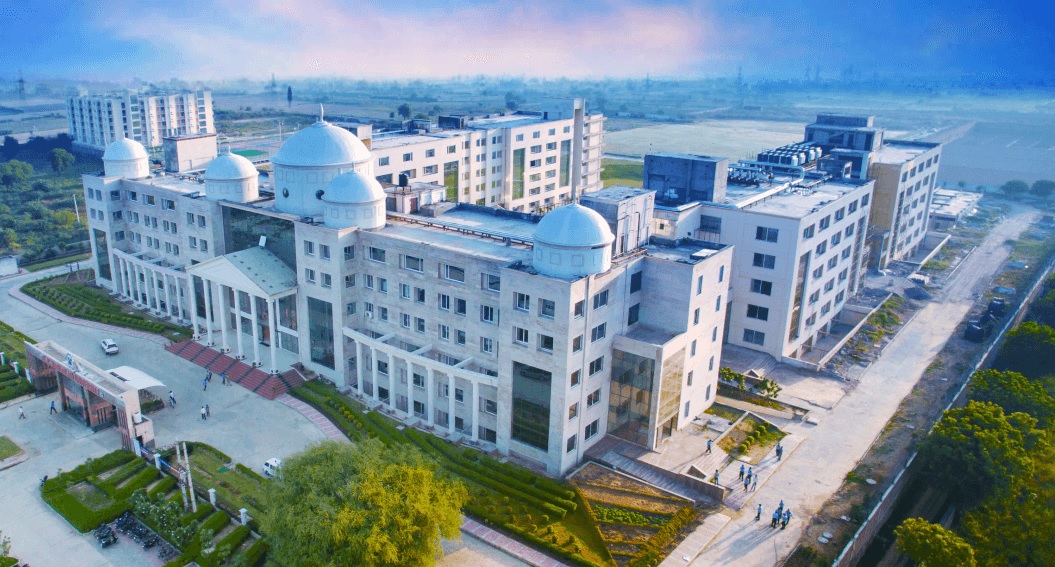
If you have been exploring science colleges in North India, there is a good chance you have come across K.R. Mangalam University (KRMU), Gurugram during your search.
While researching science programs on educational platforms, many students notice that KRMU focuses strongly on industry-oriented education, interdisciplinary learning, research exposure, skill development, and modern laboratory infrastructure.
But before choosing any B.Sc program, students should understand one important reality:
A science degree alone does not automatically guarantee career success.
The students who usually perform best after graduation are the ones who:
- Participate in research projects
- Build practical laboratory skills
- Learn scientific software and tools
- Work on internships
- Develop analytical thinking
- Stay updated with scientific advancements
The university can provide facilities and opportunities.
Your curiosity, consistency, and willingness to learn ultimately determine how successful you become.
Why Science Careers Are Evolving So Quickly
Science is influencing almost every major industry today.
A few years ago, many science graduates primarily looked toward teaching, research laboratories, or government jobs.
Today, opportunities have expanded significantly.
Industries now require professionals in:
- Biotechnology
- Clinical Research
- Environmental Science
- Data Analytics
- Healthcare Diagnostics
- Food Technology
- Pharmaceutical Research
- Artificial Intelligence-assisted Research
- Sustainability and Climate Science
According to reports published by the World Economic Forum, analytical thinking, scientific reasoning, problem-solving, and technology integration continue to rank among the most important workplace skills globally. Source: World Economic Forum Future of Jobs Reports.
This growing demand explains why modern B.Sc programs are increasingly designed around practical learning and industry relevance.
What Makes the B.Sc Program at K.R. Mangalam University Different?
One thing students often notice at KRMU is its emphasis on experiential learning.
According to information available through KRMU's academic ecosystem and educational resources such as Eduvow, the university focuses on combining classroom learning with practical training, laboratory work, industry interaction, and research exposure.
Unlike traditional science programs that often emphasize theory, students are encouraged to participate in:
- Laboratory-based learning
- Research projects
- Scientific investigations
- Industry interactions
- Workshops and seminars
- Skill-development programs
- Internship opportunities
- Interdisciplinary learning initiatives
And honestly, this practical exposure matters a lot.
Scientific employers increasingly evaluate candidates based on what they can actually do rather than only what they studied.
B.Sc Specializations Students Can Explore
One advantage of KRMU is the availability of multiple science pathways.
Based on publicly available academic information and educational resources such as Eduvow, students may find opportunities in fields including:
- Biotechnology
- Microbiology
- Forensic Science
- Environmental Science
- Food Technology
- Agriculture
- Medical Laboratory Technology
- Data Science-related scientific applications
- Basic and Applied Sciences
This flexibility helps students align their education with specific career interests instead of being restricted to a single generic science stream.
What Students Actually Learn During B.Sc
Although subjects vary depending on specialization, most students build knowledge and practical exposure in areas such as:
- Scientific Research Methods
- Laboratory Techniques
- Data Analysis
- Biological Sciences
- Environmental Studies
- Analytical Chemistry
- Genetics and Biotechnology
- Scientific Communication
- Research Documentation
- Experimental Design
- Statistics for Science
- Problem Solving and Critical Thinking
Students may also gain exposure to modern scientific tools and laboratory equipment depending on their chosen specialization.
And honestly, employers today often value practical competence just as much as academic performance.
Admission Process at KRMU
The admission process is generally straightforward compared with highly competitive national science institutes.
Students usually need:
- Completion of 10+2 from a recognized board
- Science background depending on the specialization selected
- Fulfillment of university eligibility criteria
B.Sc Fees at K.R. Mangalam University
One factor students and parents should carefully evaluate is the total cost of education.
Science programs often involve laboratory facilities, practical training, research infrastructure, and specialized equipment.
| Fee Component | Approximate Amount |
|---|---|
| Annual Tuition Fee | Rs 90,000 - Rs 2.5 lakh |
| Total Program Cost | Rs 3 lakh - Rs 10 lakh+ |
| Hostel Charges | Rs 1 lakh - Rs 1.8 lakh yearly |
| Additional Expenses | Lab, examination, and activity charges may apply |
Students should evaluate fees along with the value offered through practical learning, research opportunities, internships, networking, and career development support.
Source: KRMU Fee Structure
Research and Practical Exposure
One area where science students often gain an advantage is research participation.
According to information available through university resources and educational platforms such as Eduvow, students may receive opportunities to engage in:
- Research projects
- Laboratory experiments
- Scientific conferences
- Innovation activities
- Faculty-guided studies
- Industry-oriented assignments
These experiences become particularly valuable for students planning careers in research, healthcare, biotechnology, higher education, and scientific consulting.
Career Opportunities After B.Sc
A modern B.Sc degree can lead to opportunities across multiple industries.
Popular career options include:
- Research Assistant
- Laboratory Analyst
- Microbiologist
- Biotechnologist
- Clinical Research Associate
- Environmental Analyst
- Food Safety Officer
- Quality Control Executive
- Scientific Writer
- Data Analyst (with additional skills)
Expected Salary Range
| Career Stage | Expected Salary |
|---|---|
| Freshers | Rs 3 LPA - Rs 6 LPA |
| Specialized Science Roles | Rs 5 LPA - Rs 10 LPA+ |
| Research & Higher Education Careers | Can increase significantly with qualifications |
Salary estimates are based on hiring trends observed across AmbitionBox, Glassdoor India, Naukri, and biotechnology and healthcare recruitment sectors.
Source :KRMU Placement Overview
Campus Exposure Matters More Than Many Students Realize
Science students often grow faster when they participate beyond regular academics.
- Science exhibitions
- Research competitions
- Technical workshops
- Innovation challenges
- Industry seminars
- Academic conferences
- Scientific presentations
These activities help students build confidence, communication skills, and professional exposure that support future career growth.
FAQ
Q1. Is B.Sc at K.R. Mangalam University worth considering?
Yes. Students looking for a combination of academic learning, laboratory exposure, research opportunities, and industry-oriented education may find KRMU a suitable option. Success still depends heavily on the student's effort and skill development.
Q2. What career options are available after B.Sc?
Students can pursue careers in biotechnology, healthcare, environmental science, food technology, research laboratories, quality control, clinical research, and scientific consulting. Higher education can further expand opportunities significantly.
Q3. Is practical learning important in science careers?
Absolutely. Employers increasingly prefer candidates with hands-on laboratory experience, research exposure, analytical abilities, and problem-solving skills rather than relying solely on academic marks.
Q4. Can students pursue higher education after B.Sc?
Yes. Many graduates continue with M.Sc programs, professional certifications, research degrees, or interdisciplinary fields such as bioinformatics, public health, and data science.
Q5. Does KRMU provide research exposure?
Based on available academic information, students may participate in laboratory work, scientific projects, faculty-guided research, workshops, and innovation-focused activities throughout their academic journey.
Q6. Which B.Sc specialization has strong future demand?
Fields such as Biotechnology, Microbiology, Environmental Science, Medical Laboratory Technology, and Food Technology continue to show strong demand because of growth in healthcare, sustainability, and scientific research sectors.
Q7. Is B.Sc only useful for research careers?
No. Modern science graduates work across healthcare, diagnostics, pharmaceuticals, environmental consulting, quality assurance, biotechnology companies, and many corporate sectors beyond traditional research roles.
Q8. What skills should B.Sc students develop alongside academics?
Students should focus on laboratory techniques, scientific communication, research methodology, analytical thinking, data interpretation, presentation skills, and digital tools relevant to their specialization.
Q9. Can B.Sc graduates get government jobs?
Yes. Graduates can prepare for various government examinations and opportunities in scientific organizations, research institutions, healthcare departments, environmental agencies, and public sector organizations.
Q10. What type of students usually perform best in B.Sc programs?
Students who remain curious, participate actively in practical work, seek research opportunities, develop scientific skills, and continuously learn beyond the classroom often achieve stronger academic and professional outcomes.
Final Thoughts
B.Sc at K.R. Mangalam University is not simply a degree focused on classroom lectures and examinations.
The university environment aims to provide:
- Laboratory exposure
- Research opportunities
- Skill development
- Industry interaction
- Innovation-focused learning
- Interdisciplinary education
But science remains a highly skill-driven field.
Your:
- Practical abilities
- Research mindset
- Problem-solving skills
- Scientific curiosity
- Communication skills
- Consistency in learning
will ultimately influence your career far more than the degree title alone.
If you genuinely enjoy scientific exploration, experimentation, research, and solving real-world challenges, a B.Sc program at K.R. Mangalam University can serve as a strong foundation for future academic and professional growth.
For More Information: K.R. Mangalam University