

The software industry is experiencing one of the fastest technological transformations in history.
Artificial Intelligence, cloud computing, cybersecurity, automation, blockchain, Internet of Things (IoT), data engineering, and full-stack development are redefining how organizations operate. Businesses no longer seek software professionals who can simply write code-they need technology experts capable of solving complex business problems, designing scalable systems, and adapting to rapidly evolving digital ecosystems.
This shift has significantly increased the demand for postgraduate technology professionals who possess advanced programming knowledge along with analytical thinking, innovation, and practical industry experience.
For students who want to build expertise beyond a bachelor's degree in computer applications or computer science, the Master of Computer Applications (MCA) has become one of the most valuable postgraduate programs in India.
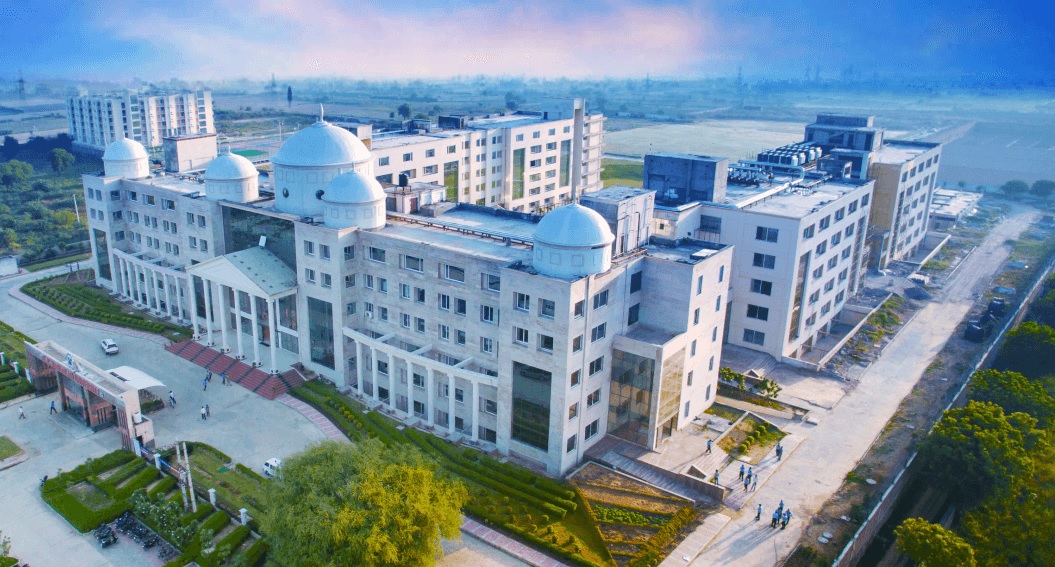
If you have been researching universities offering MCA programs in North India, there is a strong possibility that K.R. Mangalam University, Gurugram has appeared during your search.
According to information published on the university's official website and educational resources available through Eduvow, K.R. Mangalam University follows an industry-oriented teaching approach that combines technical education with innovation, practical learning, research, entrepreneurship, professional development, and interdisciplinary education. The university aims to prepare graduates who can contribute effectively to today's technology-driven organizations.
However, students should understand one important reality before enrolling in any MCA program.
An MCA degree alone does not automatically guarantee a successful software career.
The technology professionals who usually excel are those who continuously improve their programming skills, work on real-world projects, participate in hackathons, contribute to open-source communities, complete internships, and remain curious about emerging technologies throughout their careers.
The university provides infrastructure, faculty guidance, laboratories, industry exposure, and academic opportunities.
Your consistency, practical learning, problem-solving ability, and willingness to continuously upgrade your skills ultimately determine your long-term success in the IT industry.
Why MCA Careers Are Growing Faster Than Ever
The technology landscape today looks completely different compared to even five years ago.
Organizations across every sector-including banking, healthcare, manufacturing, retail, education, logistics, government, fintech, and entertainment-are accelerating digital transformation initiatives. As businesses increasingly depend on software systems, cloud infrastructure, automation, and artificial intelligence, the need for highly skilled software professionals continues to grow.
Modern organizations are actively investing in:
- Artificial Intelligence
- Machine Learning
- Cloud Computing
- Cyber Security
- Software Engineering
- Data Science
- Business Analytics
- Blockchain
- DevOps
- Internet of Things (IoT)
- Generative AI
- Mobile Application Development
According to the World Economic Forum Future of Jobs Report 2025, AI specialists, software developers, big data specialists, cybersecurity professionals, and digital transformation experts are among the fastest-growing occupations worldwide. The report also identifies analytical thinking, technology literacy, resilience, creativity, and problem-solving as critical future workplace skills.
Similarly, the LinkedIn Skills on the Rise 2026 report highlights growing employer demand for AI literacy, software development, cloud technologies, cybersecurity, communication, stakeholder management, and collaborative problem-solving.
These reports indicate that today's software industry values professionals who can combine strong programming knowledge with business understanding, communication skills, and continuous learning.
Why Choose MCA at K.R. Mangalam University?
The MCA program at K.R. Mangalam University has been designed to help students build advanced technical expertise while strengthening practical implementation skills required by modern technology companies.
According to information available through the K.R. Mangalam University and educational insights published by Eduvow, the university emphasizes experiential learning through laboratories, industry interaction, innovation, project-based education, entrepreneurship support, internships, and research-oriented learning.
Instead of limiting education to classroom lectures, the curriculum encourages students to develop practical software solutions, understand emerging technologies, and strengthen professional competencies required by today's IT sector.
Some of the major academic highlights include:
- Industry-Oriented Curriculum
- Project-Based Learning
- Advanced Programming Practice
- Artificial Intelligence Fundamentals
- Cloud Computing Concepts
- Software Development Projects
- Research-Oriented Learning
- Innovation and Entrepreneurship
- Professional Skill Development
- Industry Interaction
This combination enables students to understand not only how software systems are developed but also how technology solves real-world organizational challenges.
What Students Learn During the MCA Program
The MCA curriculum generally combines theoretical computer science concepts with practical software engineering skills. Students gradually progress from advanced programming techniques to specialized areas such as cloud computing, artificial intelligence, cybersecurity, database systems, and enterprise software development.
Core learning areas usually include:
- Advanced Programming using Java and Python
- Data Structures and Algorithms
- Database Management Systems
- Software Engineering
- Operating Systems
- Computer Networks
- Cloud Computing
- Artificial Intelligence
- Machine Learning Fundamentals
- Cyber Security
- Web Technologies
- Mobile Application Development
- Data Analytics
- Object-Oriented Programming
- Research Methodology
- Project Management
- Software Testing
- Professional Ethics
Students also gain practical exposure through programming assignments, mini-projects, software development projects, presentations, technical workshops, and collaborative learning activities.
Building Practical Skills Beyond the Classroom
One of the biggest differences between average software professionals and highly employable graduates is the quality of their practical experience. Recruiters increasingly evaluate candidates based on coding ability, GitHub portfolios, internships, live projects, and technical problem-solving skills rather than academic marks alone.
Students are therefore encouraged to build applications, participate in hackathons, contribute to open-source projects, and strengthen version control practices using platforms like GitHub. Maintaining a well-documented portfolio demonstrates practical expertise and helps recruiters evaluate coding proficiency during placements.
Students can further improve their technical knowledge through globally recognized learning platforms such as Microsoft Learn, where they can explore cloud computing, Azure, AI services, DevOps, cybersecurity, and software engineering technologies alongside their university curriculum.
By combining university education with industry-recognized certifications, coding practice, and project development, students significantly improve their employability in today's competitive software industry.
Industry Exposure and Practical Learning
Modern software companies expect MCA graduates to understand how software is developed, tested, deployed, and maintained in real business environments. Classroom knowledge alone is no longer sufficient for technology careers.
According to information available through the K.R. Mangalam University Official Website, students receive opportunities to participate in industry interactions, technical workshops, seminars, internships, live projects, innovation activities, and skill development programs that help bridge the gap between academics and industry expectations.
Students are encouraged to participate in activities such as:
- Industry Internships
- Software Development Projects
- Hackathons
- Coding Competitions
- Research Projects
- Technical Workshops
- Industry Expert Sessions
- Open Source Contributions
- Innovation Challenges
- Entrepreneurship Development Programs
These activities not only strengthen technical knowledge but also improve teamwork, communication, presentation skills, and confidence while working on real-world software problems.
Research, Innovation and Entrepreneurship
The software industry rewards innovation. Many of today's leading technology companies began as student ideas developed inside universities and research laboratories.
K.R. Mangalam University promotes an academic environment where students are encouraged to think creatively, conduct research, solve practical problems, and explore entrepreneurial opportunities.
Students interested in research can explore emerging domains including:
- Artificial Intelligence
- Machine Learning
- Cloud Computing
- Cyber Security
- Blockchain Technology
- Internet of Things (IoT)
- Data Science
- Big Data Analytics
- Natural Language Processing
- Computer Vision
Research participation strengthens analytical thinking while preparing students for higher education, innovation-driven organizations, product companies, startups, and research careers.
Modern Computing Infrastructure
Learning advanced software technologies requires access to updated computing facilities and practical development environments.
According to information shared by K.R. Mangalam University, students benefit from modern computer laboratories, digital learning infrastructure, innovation facilities, libraries, research support, and technology-enabled classrooms that facilitate practical learning.
Students also learn to work with software development tools, integrated development environments (IDEs), database systems, cloud platforms, collaborative programming tools, and project management practices that are commonly used in the software industry.
MCA Fee Structure
Students should always evaluate the financial investment before selecting any postgraduate program. Tuition fees may vary depending on admission category, scholarships, hostel facilities, and university policies.
| Fee Component | Details |
|---|---|
| Program Duration | 2 Years |
| Annual Tuition Fee | Rs50,000 - Rs65,000 |
| Total Program Fee | Rs1,20,000-Rs1,80,000 |
| Hostel Charges | Additional depending on accommodation selected |
| Other Charges | Examination, registration, laboratory, technology and student activity fees may apply |
Source: Students should verify the latest fee details from the K.R. Mangalam University Official Website before applying.
Placement Preparation and Career Development
Software recruiters today evaluate candidates on technical competency, practical projects, internships, communication skills, and coding ability instead of academic scores alone.
According to information available through K.R. Mangalam University and educational guidance published by Eduvow, students receive career guidance through placement assistance, technical skill development, aptitude preparation, professional communication training, and industry interaction initiatives.
| Career Development Area | Student Benefit |
|---|---|
| Technical Training | Programming and software development skills |
| Industry Internships | Professional workplace experience |
| Coding Competitions | Problem-solving and coding efficiency |
| Mock Interviews | Placement readiness |
| Resume Building | Professional profile enhancement |
| Aptitude Training | Campus recruitment preparation |
| Communication Skills | Corporate communication and teamwork |
| Industry Interaction | Networking with technology professionals |
Career Opportunities After MCA
The technology industry offers diverse career opportunities for skilled MCA graduates. Career growth depends upon programming expertise, project experience, internships, certifications, and continuous learning.
| Industry | Career Opportunities |
|---|---|
| Software Development | Software Developer, Full Stack Developer |
| Artificial Intelligence | AI Engineer, Machine Learning Associate |
| Cloud Computing | Cloud Engineer, Cloud Administrator |
| Cyber Security | Cyber Security Analyst |
| Data Analytics | Data Analyst, Business Intelligence Analyst |
| Web Technologies | Backend Developer, Frontend Developer |
| Mobile Development | Android Developer, iOS Developer |
| DevOps | DevOps Engineer |
| Consulting | Technology Consultant |
| Entrepreneurship | Technology Startup Founder |
The increasing adoption of AI, cloud platforms, digital transformation, and enterprise software ensures that software professionals continue to remain among the most sought-after talent across industries.
Higher Education Opportunities After MCA
Although many graduates begin their careers immediately after completing MCA, a considerable number pursue higher education or globally recognized certifications to specialize in emerging technology domains.
Popular higher education and certification options include:
- M.Tech in Computer Science & Engineering
- M.Tech in Artificial Intelligence
- M.Tech in Cyber Security
- M.Tech in Data Science
- MBA in Information Technology
- Master's in Cloud Computing
- Master's in Data Analytics
- Ph.D. in Computer Science
- AWS Cloud Certifications
- Microsoft Azure Certifications
- Google Cloud Professional Certifications
- Oracle Database Certifications
Students can further strengthen their technical expertise through platforms like Microsoft Learn, which offers practical learning paths in Azure, Artificial Intelligence, DevOps, Cloud Computing, and Cyber Security. Such certifications complement university education and improve employability in multinational technology companies.
Campus Life Beyond Academics
Technology education is not limited to coding and examinations. Employers increasingly look for professionals who demonstrate leadership, teamwork, communication, creativity, and adaptability alongside technical knowledge.
According to information available through the K.R. Mangalam University Official Website, students can participate in innovation activities, technical clubs, cultural festivals, sports, entrepreneurship initiatives, coding competitions, and student-led events that contribute to holistic personality development.
Students may participate in:
- Hackathons
- Coding Competitions
- AI Innovation Challenges
- Technical Clubs
- Entrepreneurship Programs
- Research Conferences
- Technology Workshops
- Cultural Festivals
- Sports Activities
- Leadership Development Programs
These experiences help students improve communication skills, networking abilities, confidence, leadership qualities, and collaborative problem-solving, all of which are highly valued in the software industry.
The Future of Software Careers
The coming decade will be defined by Artificial Intelligence, Generative AI, automation, cloud-native applications, cybersecurity, edge computing, blockchain, and intelligent enterprise software. Organizations across industries are rapidly investing in digital transformation, creating continuous demand for highly skilled software professionals.
According to the World Economic Forum Future of Jobs Report 2025, technology-focused occupations-including software developers, AI specialists, cybersecurity experts, cloud engineers, and data professionals-will remain among the fastest-growing careers globally.
The LinkedIn Skills on the Rise 2026 report similarly highlights that AI literacy, software engineering, cloud technologies, digital collaboration, analytical thinking, communication, and problem-solving continue to rank among the most valuable professional skills sought by employers.
Students who continuously upgrade their technical expertise through certifications, internships, projects, and lifelong learning are more likely to build sustainable careers in the global technology ecosystem.
Frequently Asked Questions (FAQs)
Q1. Is MCA from K.R. Mangalam University a good choice for software careers?
Yes. The program combines advanced programming, practical learning, industry exposure, research opportunities, and professional skill development to prepare students for modern software and IT careers.
Q2. Which programming languages should MCA students master?
Students should develop proficiency in Java, Python, SQL, JavaScript, and C++, along with database technologies and cloud computing concepts to improve career opportunities across industries.
Q3. Does the MCA program include Artificial Intelligence and Cloud Computing?
Yes. Students generally study emerging technologies including Artificial Intelligence, Machine Learning, Cloud Computing, Cyber Security, Software Engineering, and Data Analytics as part of modern MCA education.
Q4. How important are internships during MCA?
Internships provide practical industry experience, improve technical confidence, strengthen resumes, develop professional communication skills, and significantly enhance placement opportunities after graduation.
Q5. Are coding projects necessary for MCA students?
Absolutely. Recruiters increasingly evaluate GitHub repositories, software applications, live projects, and practical coding abilities alongside academic performance during technical recruitment processes.
Q6. What additional skills should MCA students develop?
Students should focus on communication, teamwork, cloud computing, DevOps, AI tools, presentation skills, software architecture, version control, and continuous technical learning throughout the program.
Q7. What career options are available after completing MCA?
Graduates can pursue careers as Software Developers, AI Engineers, Cloud Engineers, Cyber Security Analysts, Data Analysts, Full Stack Developers, DevOps Engineers, Technology Consultants, and Entrepreneurs.
Q8. Can MCA graduates pursue higher education?
Yes. Students can pursue M.Tech, MBA, international master's degrees, doctoral research, or professional certifications in Artificial Intelligence, Cloud Computing, Cyber Security, and Data Science.
Q9. Is MCA still a valuable degree in 2026?
Yes. Digital transformation, AI adoption, cybersecurity expansion, and cloud computing continue to create strong demand for postgraduate software professionals with practical technical expertise.
Q10. What type of students generally succeed during MCA?
Students who consistently practice programming, build projects, participate in internships, remain curious about emerging technologies, communicate effectively, and continuously upgrade their skills usually achieve stronger career outcomes.
Final Thoughts
MCA from K.R. Mangalam University, Gurugram is more than a conventional postgraduate computer application degree. It prepares students for rapidly evolving technology careers by combining advanced programming, software engineering, cloud computing, artificial intelligence, cybersecurity, research, and practical project-based learning.
According to information available through the K.R. Mangalam University Official Website and educational guidance published on Eduvow, the university focuses on developing industry-ready professionals through experiential learning, innovation, internships, technical skill enhancement, entrepreneurship support, and career-oriented education.
However, software engineering is one of the fastest-changing professions in the world. Technologies evolve continuously, making lifelong learning an essential part of every successful IT professional's journey.
Students who actively build software projects, participate in hackathons, complete internships, earn industry certifications, contribute to open-source communities, and stay updated with emerging technologies will be better positioned to succeed in today's competitive global technology industry.
If you enjoy programming, logical thinking, solving real-world problems, developing software solutions, and continuously learning new technologies, MCA from K.R. Mangalam University can provide a strong academic foundation for a rewarding career in the digital economy.
For More Information: K.R. Mangalam University, Gurugram