

Introduction
The way people learn, work, and build careers is changing rapidly. Artificial Intelligence (AI) is becoming an important part of almost every industry, from information technology and healthcare to finance, marketing, education, and business management. Tasks that once required hours of manual effort can now be completed faster with the help of AI-powered tools.
For college students, these changes bring both opportunities and new challenges. Companies are increasingly looking for graduates who understand modern technologies, can work with digital tools, and have the ability to solve real-world problems. Having a degree remains important, but developing relevant skills alongside academic knowledge is becoming equally valuable.
As students prepare for their careers in 2027, understanding Artificial Intelligence, data, automation, and emerging technologies can help them make better academic and professional decisions. Whether you are studying engineering, computer applications, management, commerce, or another discipline, learning how technology is transforming your chosen field can give you a clearer direction for the future.
1. Understanding How Artificial Intelligence Is Changing the Job Market
Artificial Intelligence is changing the way businesses operate and how professionals perform their daily responsibilities. From automated customer support to data analysis and content creation, AI tools are helping organisations improve productivity and make informed decisions.
Several industries are already adopting AI-based solutions to improve their operations.
Some Major Areas Where AI Is Creating Opportunities Include:
- Information Technology: AI development, software automation, machine learning, and intelligent applications.
- Healthcare: Medical data analysis, healthcare technology, diagnostic assistance, and patient management systems.
- Banking and Finance: Fraud detection, financial forecasting, risk assessment, and automated services.
- Digital Marketing: Customer behaviour analysis, content planning, advertising optimisation, and personalised campaigns.
- Education: AI-supported learning platforms, educational technology, and personalised learning systems.
- Manufacturing: Smart automation, robotics, quality control, and predictive maintenance.
However, AI is not simply about replacing traditional jobs. It is also changing existing roles and creating demand for professionals who can understand, manage, and use these technologies effectively.
Students should therefore focus on learning how AI works and how it can be applied in their respective fields.
2. Learning AI and Machine Learning Skills
Artificial Intelligence and Machine Learning are among the important technology areas students can explore while preparing for future careers.
AI enables computer systems to perform tasks that generally require human intelligence, while Machine Learning allows systems to learn from data and improve their performance over time.
Students interested in technology can begin by understanding programming languages and basic mathematical concepts before moving towards advanced AI applications.
Some Important Skills to Learn Include:
- Python programming.
- Machine Learning fundamentals.
- Deep Learning basics.
- Natural Language Processing.
- Generative AI tools and applications.
- AI model development and evaluation.
These skills can help students explore career opportunities such as AI Developer, Machine Learning Engineer, AI Research Assistant, and Data Science Professional, depending on their qualifications and practical experience.
Students do not necessarily need to become AI specialists to benefit from this technology. Understanding how AI tools work and how to use them responsibly can also be valuable in non-technical careers.
3. Developing Data Analytics and Problem-Solving Skills
Data has become an important part of business decision-making. Organisations collect information about customers, sales, operations, and market trends to understand performance and identify opportunities.
Data Analytics helps professionals examine this information and convert it into useful insights.
For students, learning data-related skills can open opportunities across different industries, including finance, healthcare, marketing, retail, and technology.
Some Useful Data Analytics Skills Include:
- Microsoft Excel and advanced spreadsheets.
- SQL and database management.
- Python for data analysis.
- Power BI and Tableau.
- Data visualisation and reporting.
- Statistical analysis and interpretation.
Students can practise these skills through small projects, such as analysing sales information, studying customer behaviour, or creating dashboards.
Along with technical knowledge, problem-solving is equally important. Employers value candidates who can understand a problem, examine available information, and suggest practical solutions.
4. Understanding Cybersecurity and Cloud Computing
As businesses become more dependent on digital platforms, protecting information and managing online systems have become important responsibilities.
Cybersecurity focuses on protecting computer systems, networks, applications, and sensitive information from digital threats. Cloud Computing, on the other hand, allows organisations to store information and access computing resources through internet-based services.
Both fields offer different learning and career opportunities for students interested in technology.
Skills Students Can Explore:
Cybersecurity:
- Network security fundamentals.
- Ethical hacking concepts.
- Information security.
- Risk assessment.
- Security monitoring.
Cloud Computing:
- Cloud infrastructure.
- AWS, Microsoft Azure, and Google Cloud fundamentals.
- Cloud storage and databases.
- Virtualisation.
- Cloud security and deployment.
Students can start with introductory courses and gradually work towards practical projects and relevant professional certifications.
These areas are particularly useful for students pursuing computer science, information technology, and related programmes.
5. Why Communication and Critical Thinking Still Matter
Technology is changing the workplace, but technical knowledge alone is not enough to build a successful career.
Professionals must also communicate effectively, work with different teams, understand business requirements, and make decisions when facing unexpected challenges.
These abilities are commonly known as soft skills, and they remain important across almost every profession.
Some Essential Skills Every College Student Should Develop Include:
- Communication: Expressing ideas clearly through speaking, writing, and presentations.
- Critical Thinking: Evaluating information and making logical decisions.
- Teamwork: Working effectively with people from different backgrounds.
- Adaptability: Learning new tools and adjusting to changing work environments.
- Time Management: Managing academic responsibilities, projects, and deadlines.
- Creativity: Developing new ideas and finding different ways to solve problems.
Students can improve these skills by participating in group projects, presentations, internships, workshops, and extracurricular activities.
6. Building Practical Experience Through Projects and Internships
One of the common challenges fresh graduates face is the gap between classroom knowledge and workplace expectations.
Students may understand theoretical concepts but still need practical experience to apply that knowledge in professional situations.
Projects and internships provide opportunities to develop this experience while studying.
Here Are Some Ways Students Can Gain Practical Exposure:
- Work on academic and personal projects related to their chosen field.
- Participate in coding competitions, hackathons, and technical events.
- Complete internships with organisations and industry professionals.
- Build a portfolio to showcase completed projects and achievements.
- Attend workshops, seminars, and skill-development programmes.
- Explore online learning platforms and professional certification courses.
For example, a computer science student can develop a basic AI application, while a management student can work on a business analytics project. Similarly, a marketing student can create and analyse a digital marketing campaign.
Practical experience helps students understand their strengths, identify areas for improvement, and demonstrate their abilities to potential employers.
7. How Can Students Prepare for AI-Driven Careers in 2027?
Preparing for future career opportunities does not mean learning every new technology. Instead, students should identify the skills that are relevant to their interests and professional goals.
A structured learning approach can make this process easier.
Consider These Steps While Preparing for Your Career:
- Identify Your Interests: Understand which subjects, industries, and professional roles interest you.
- Learn Relevant Technologies: Choose tools and technologies that complement your academic background.
- Build Practical Projects: Apply your knowledge through projects that demonstrate your abilities.
- Improve Communication: Develop confidence in interviews, presentations, and professional discussions.
- Explore Internships: Gain exposure to real workplace environments before graduation.
- Stay Updated: Follow industry developments and learn about new technologies in your chosen field.
- Create a Professional Profile: Maintain an updated resume and professional portfolio highlighting your skills and achievements.
Students should also remember that career preparation is a continuous process. Learning does not end after completing a degree, especially in industries where technologies and professional requirements keep evolving.
How CGC University, Mohali Can Help Students Prepare for Future Careers
Choosing the right university is an important step towards building a career in a technology-driven world. Students should look beyond traditional classroom education and explore institutions that provide opportunities to understand emerging technologies, develop practical skills, and gain industry exposure.
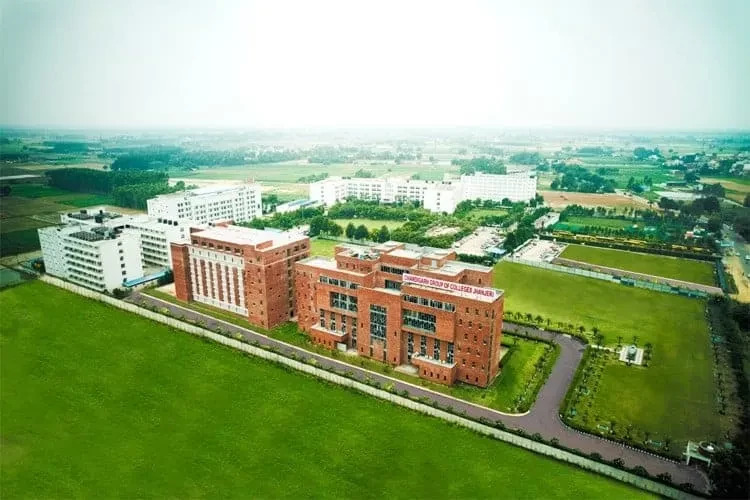
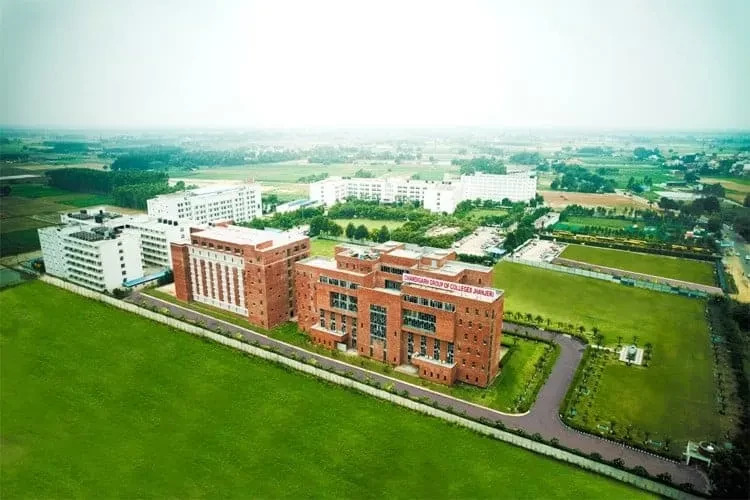
CGC University, Mohali, offers programmes across Engineering, Computer Applications, Business Management, Pharmaceutical Sciences, Allied and Health Sciences, Law, Design, and other academic disciplines.
The university also provides learning opportunities in emerging technology areas through its industry collaborations and specialised facilities.
Some Initiatives Students Can Explore Include:
IBM Centre for Emerging Technologies: The centre provides exposure to areas such as Artificial Intelligence, Machine Learning, Data Science, Generative AI, Quantum Computing, Cloud Computing, and Cybersecurity. Its learning approach includes industry-curated curriculum, experiential learning, certifications, and practical projects.
MongoDB Centre for Data & AI Excellence: Established through a collaboration between CGC University and MongoDB, this initiative aims to help Engineering and Computer Applications students develop practical knowledge of modern database technologies, AI, and next-generation data solutions.
Industry-Integrated Programmes: CGC University offers selected programmes in collaboration with industry partners such as IBM, EY, and KPMG, covering areas including AI and Machine Learning, Data Science, Business Analytics, and Fintech.
These initiatives provide students with opportunities to connect academic learning with evolving industry requirements. Interested students should review the programme-specific curriculum, eligibility, certification details, and available practical learning opportunities before choosing a course.
Final Thoughts
Artificial Intelligence is transforming the job market, but it also creates new opportunities for students who are willing to learn and adapt. As businesses continue to adopt advanced technologies, graduates will need a combination of academic knowledge, technical expertise, practical experience, and strong communication skills.
Whether you are interested in engineering, computer applications, business management, healthcare, finance, or creative industries, developing relevant skills can help you prepare for changing professional requirements.
Students should start exploring emerging technologies during their college years, work on practical projects, participate in internships, and continue improving their abilities.
At CGC University, Mohali, exploring industry-integrated programmes, emerging technology initiatives, and practical learning opportunities can be a part of this preparation.
The future of work will continue to evolve, and students who remain curious, adaptable, and committed to learning will be better prepared to explore the career opportunities ahead.