

The healthcare sector has become one of the fastest-growing industries in India and across the world. With the continuous expansion of hospitals, medical colleges, diagnostic centres, rehabilitation facilities, and community healthcare initiatives, the demand for professionally trained nursing professionals has increased significantly. Nurses today are not limited to assisting doctors; they play a crucial role in patient care, emergency response, disease prevention, rehabilitation, health education, and healthcare management.
Among the various undergraduate healthcare programmes available after Class 12, Bachelor of Science (B.Sc.) Nursing has emerged as one of the most respected and rewarding career choices. The programme combines theoretical knowledge with extensive practical and clinical training, enabling students to develop technical expertise, decision-making abilities, and compassionate patient-care skills.
Graduates of B.Sc. Nursing programmes can explore career opportunities in government hospitals, private healthcare institutions, military medical services, research organisations, NGOs, public health departments, and international healthcare systems after fulfilling required licensing requirements.
Choosing the right university plays an important role in shaping a student's healthcare career. Students should carefully evaluate factors such as curriculum quality, practical exposure, simulation laboratories, clinical training opportunities, experienced faculty members, infrastructure, placement assistance, and opportunities for higher education before selecting a nursing programme.
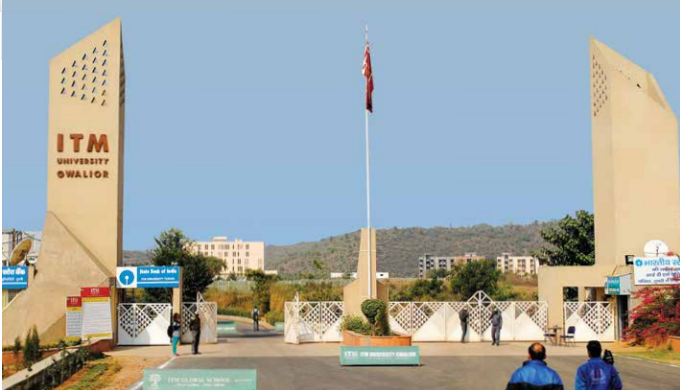
Among the leading private universities in Central India, ITM University Gwalior has established its School of Nursing Sciences with a strong focus on practical learning, simulation-based education, community healthcare exposure, and industry-oriented training. The university offers a four-year full-time B.Sc. Nursing programme designed according to Indian Nursing Council (INC) and UGC guidelines.
Students at ITM University Gwalior benefit from modern simulation laboratories, clinical postings, community outreach activities, research opportunities, and healthcare collaborations that help bridge the gap between classroom learning and real-world nursing practice.
Why Choose B.Sc. Nursing?
Many students consider nursing only as a hospital-based profession. However, the nursing field has evolved significantly over the years and has become an essential part of modern healthcare systems.
Today's nursing professionals contribute in several important areas, including:
- Patient assessment and monitoring
- Emergency and critical care management
- Surgical assistance
- Maternal and child healthcare
- Mental health support
- Community healthcare services
- Disease prevention programmes
- Health education initiatives
- Research and evidence-based healthcare practices
- Healthcare administration
A B.Sc. Nursing degree prepares students to become skilled nursing professionals capable of delivering safe, ethical, and compassionate healthcare services across different clinical environments.
Unlike many traditional undergraduate programmes that mainly focus on theoretical education, nursing is a highly practical profession. Throughout the course, students continuously interact with patients, healthcare professionals, laboratories, and hospital environments, allowing them to gain confidence and professional skills before graduation.
Rising Demand for Nursing Professionals
The demand for qualified nursing professionals is increasing rapidly due to several healthcare and demographic factors. Some of the major reasons behind this growth include:
- Growing population
- Increasing life expectancy
- Rise in chronic diseases
- Expansion of hospitals and healthcare facilities
- Growth of digital healthcare services
- Medical tourism development
- Government healthcare initiatives
As healthcare infrastructure continues to expand, skilled nurses remain among the most important healthcare professionals required for effective patient care and healthcare delivery.
The World Health Organization (WHO) has consistently highlighted the importance of strengthening the global nursing workforce to improve healthcare outcomes. Nurses contribute significantly across preventive care, emergency services, rehabilitation, community health, and specialised medical services.
The growing demand for nursing professionals also creates international career opportunities. Countries such as Canada, Australia, the United Kingdom, New Zealand, Germany, and several Gulf nations recruit qualified nurses after completion of country-specific licensing examinations and registration requirements.
Why Choose ITM University Gwalior for B.Sc. Nursing?
Selecting the right nursing college can significantly influence a student's professional growth and career opportunities.
The School of Nursing Sciences at ITM University Gwalior focuses on developing competent nursing professionals through a combination of academic learning, simulation-based education, clinical exposure, research activities, and community healthcare engagement.
According to information available through the university, the B.Sc. Nursing programme focuses on developing practical nursing skills through controlled simulation environments before students enter real clinical settings. Students also receive exposure through hospital training, community healthcare activities, and collaborations with healthcare institutions.
Major highlights of the programme include:
- Modern Simulation Laboratories
- Clinical Training Opportunities
- Experienced Faculty Guidance
- Industry-Oriented Curriculum
- Community Healthcare Exposure
- Research-Based Learning
- Placement Assistance
- Personality and Skill Development
Modern Simulation Laboratories
Simulation-based learning has become an important part of modern nursing education. It allows students to practise clinical procedures in realistic but controlled environments before working directly with patients.
Through simulation training, students develop confidence in:
- Emergency response procedures
- Patient assessment techniques
- Medication administration
- Critical care practices
- Basic Life Support (BLS)
- Clinical decision-making
The university highlights that simulation laboratories provide students with a safe environment where they can repeatedly practise procedures, improve accuracy, and strengthen their clinical skills while maintaining patient safety.
Industry-Oriented Curriculum
Healthcare practices continue to evolve with advancements in medical technology, research, and patient-care approaches. Therefore, nursing education requires a curriculum that balances scientific knowledge with practical healthcare requirements.
The B.Sc. Nursing curriculum at ITM University Gwalior is designed according to nursing education standards and focuses on developing theoretical understanding, clinical competence, communication skills, leadership abilities, and professional ethics.
Students study subjects such as:
- Nursing Foundations
- Anatomy
- Physiology
- Microbiology
- Pharmacology
- Nutrition
- Psychology
- Medical Surgical Nursing
- Child Health Nursing
- Mental Health Nursing
- Obstetrics and Gynaecological Nursing
- Community Health Nursing
- Nursing Research
- Nursing Management
The programme also includes additional learning modules related to diabetes care, stress management, health economics, personality development, scientific writing, job readiness, and adolescent health to enhance overall professional development.
Experienced Faculty Guidance
Quality nursing education depends greatly on experienced mentors who can guide students through academic learning as well as practical healthcare challenges.
Faculty members at ITM University Gwalior support students through:
- Classroom lectures
- Clinical demonstrations
- Laboratory sessions
- Research activities
- Community healthcare programmes
- Case discussions
- Practical assessments
Continuous guidance and mentoring help students improve their technical knowledge, professional confidence, communication abilities, and patient-care skills.
Strong Clinical Exposure
One of the most important advantages of pursuing a professional nursing programme is gaining practical experience in real healthcare environments. Clinical exposure allows students to understand patient care procedures, hospital operations, healthcare communication, and professional nursing responsibilities.
According to information available through ITM University Gwalior, B.Sc. Nursing students receive clinical exposure through collaborations with healthcare institutions including Jaya Arogya Hospital, District Hospital Morar, Mansik Arogyashala, Primary Health Centres, Anganwadi Centres, and other healthcare facilities.
These clinical experiences help students understand different areas of healthcare, including medical-surgical nursing, maternal healthcare, child healthcare, psychiatric care, emergency services, and community health nursing.
Community Health Programmes
Modern nursing is not limited to hospitals. Community healthcare plays an equally important role in disease prevention, health awareness, and improving public health outcomes.
Students participate in various community-based activities such as:
- Rural healthcare camps
- Health awareness campaigns
- Immunization programmes
- Maternal healthcare initiatives
- Child healthcare activities
- Community disease prevention programmes
These activities help students understand real-world healthcare challenges while developing communication skills, leadership abilities, empathy, and social responsibility.
Program Highlights
| Feature | Details |
|---|---|
| Course Name | B.Sc. Nursing |
| University | ITM University Gwalior |
| Duration | 4 Years |
| Mode | Full-Time |
| Total Semesters | 8 Semesters |
| Curriculum | Aligned with INC & UGC Guidelines |
| Practical Training | Extensive Clinical Exposure |
| Learning Method | Classroom Learning + Simulation Labs + Hospital Training |
| Community Exposure | Available |
| Research Opportunities | Available |
| Placement Assistance | Available |
Eligibility Criteria
Before applying for a professional healthcare programme, students should carefully understand the admission requirements. According to the eligibility guidelines published by ITM University Gwalior, candidates seeking admission to the B.Sc. Nursing programme must fulfil the academic and age requirements prescribed under nursing education regulations.
Basic Eligibility Requirements
- Candidates must have completed 10+2 with Science stream from a recognized board.
- Physics, Chemistry, Biology (PCB), and English must be compulsory subjects.
- A minimum qualifying percentage in Physics, Chemistry, and Biology is required according to current university guidelines.
- The candidate must have passed English as an individual subject.
- The minimum age requirement is 17 years as on 31st December of the admission year.
- The applicant should be medically fit for pursuing the nursing programme.
Note: Admission criteria, eligibility requirements, and selection procedures may change according to different academic sessions. Students should verify the latest admission information through the official university admission process before applying.
Course Duration
The B.Sc. Nursing programme at ITM University Gwalior is a four-year full-time undergraduate degree programme consisting of eight semesters.
The programme follows a balanced learning approach where theoretical concepts are continuously integrated with practical training. Students gradually progress from learning fundamental concepts of human anatomy, physiology, and nursing foundations to managing patient care responsibilities under faculty supervision.
The course structure follows the semester and credit system according to applicable nursing education guidelines, ensuring students receive comprehensive academic knowledge along with professional clinical skills.
Curriculum and Subjects Covered
The B.Sc. Nursing curriculum is designed to prepare students for the challenges of modern healthcare. The programme focuses not only on scientific knowledge but also on clinical competence, ethical nursing practice, communication, leadership, research skills, and patient-centred care.
During the four-year programme, students study various subjects including:
First Year
- Anatomy
- Physiology
- Biochemistry
- Nutrition
- Psychology
- Nursing Foundation
- English
- Computer Applications
The first year establishes the scientific foundation required for nursing practice while helping students develop essential communication skills and basic caregiving knowledge.
Second Year
During the second year, students begin applying theoretical concepts through practical clinical experiences.
Major subjects include:
- Medical-Surgical Nursing
- Pharmacology
- Pathology
- Genetics
- Sociology
- Community Health Nursing
Students also begin supervised clinical postings where they learn patient care procedures and hospital practices.
Third Year
Clinical learning becomes more specialised during the third year. Students develop advanced nursing knowledge through theoretical and practical learning.
Subjects include:
- Child Health Nursing
- Mental Health Nursing
- Advanced Medical-Surgical Nursing
- Nursing Research
- Statistics
Students participate in case discussions, patient assessments, ward management activities, and evidence-based nursing practices.
Final Year
The final year prepares students for independent professional nursing practice.
Major areas include:
- Midwifery and Obstetrical Nursing
- Community Health Nursing
- Nursing Management
- Nursing Research
- Internship and Clinical Rotation
Students spend significant time in hospitals, maternity units, community health centres, and specialised departments to strengthen their clinical competence before graduation.
The university also provides additional learning opportunities through elective modules such as Diabetes Care, Stress Management, Scientific Writing Skills, Job Readiness and Employability, Personality Development, Health Economics, and Adolescent Health.
Teaching Methodology
Healthcare education cannot depend only on textbooks. Nursing students require practical judgement, communication skills, confidence, and professional decision-making abilities before entering the healthcare workforce.
At ITM University Gwalior, teaching combines traditional classroom education with modern learning methods such as:
- Interactive lectures
- Clinical demonstrations
- Simulation-based learning
- Group discussions
- Case studies
- Skill demonstrations
- Practical assignments
- Evidence-based nursing practices
- Research activities
The university also focuses on emerging healthcare approaches by integrating technology-based learning, Artificial Intelligence (AI), and Indigenous Knowledge Systems (IKS) to support modern healthcare education.
Simulation-Based Learning
One of the biggest challenges faced by nursing students is developing confidence before entering real hospital environments. Simulation-based learning helps overcome this challenge by providing realistic practice environments where students can improve their clinical skills safely.
Simulation sessions help students learn:
- Patient assessment
- Vital sign monitoring
- CPR and Basic Life Support
- Injection techniques
- Wound dressing procedures
- IV fluid administration
- Emergency nursing procedures
- Infection control practices
- Medication administration
This learning approach allows students to practise repeatedly, understand procedures, improve accuracy, and develop confidence without compromising patient safety.
Clinical Training and Hospital Exposure
Clinical exposure is one of the strongest components of professional nursing education. It allows students to apply classroom knowledge in real healthcare environments while developing practical skills, professional confidence, and patient-care abilities.
At ITM University Gwalior, students receive supervised clinical training through collaborations with healthcare institutions. These practical experiences help students understand different healthcare departments and develop competence in handling diverse patient-care situations.
Clinical training includes rotations in:
- General Medicine
- General Surgery
- Pediatrics
- Obstetrics and Gynaecology
- Psychiatry
- Community Health
- Emergency and Trauma Care
- Intensive Care Units (ICUs)
According to information available through the university, students receive clinical exposure through healthcare institutions such as Jaya Arogya Hospital, District Hospital Morar, Mansik Arogyashala, Primary Health Centres, and Anganwadi Centres. These experiences help students understand hospital procedures, patient communication, healthcare teamwork, and community health responsibilities.
Internship Training
The internship phase plays an important role in transforming nursing students into professional healthcare providers. It provides practical experience and helps students understand the responsibilities of working nurses.
During internship training, students participate in:
- Assisting senior nursing professionals
- Monitoring patients
- Preparing nursing care plans
- Administering medications under supervision
- Participating in ward management
- Maintaining patient documentation
- Communicating with healthcare teams
This practical experience helps graduates develop professional discipline, clinical confidence, communication abilities, and workplace readiness before beginning their nursing careers.
Nursing Laboratories
Modern nursing laboratories are essential for developing practical skills before students begin direct patient care. Well-equipped laboratories allow students to practise procedures repeatedly under expert supervision.
According to information available through ITM University Gwalior, the School of Nursing Sciences provides specialised learning facilities including:
- Nursing Foundation and Adult Health Nursing Lab
- Child Health Nursing Lab
- Community Health Nursing Lab
- Obstetrics and Gynaecology Nursing Lab
- Nutrition Lab
- Pre-Clinical Science Lab
- Skill Lab
- Computer Lab
- Audio-Visual (A.V.) Aids Room
These facilities help students practise essential nursing procedures, improve technical accuracy, and develop confidence in a structured academic environment.
Infrastructure That Supports Learning
A strong educational environment plays an important role in developing skilled healthcare professionals. Nursing students require academic facilities, practical laboratories, digital resources, and research support to achieve professional excellence.
The School of Nursing Sciences at ITM University Gwalior provides facilities such as:
- Smart classrooms
- Simulation laboratories
- Departmental libraries
- Digital learning resources
- Computer laboratories
- Clinical demonstration rooms
- Research support facilities
- Seminar halls
- Student activity areas
The university also encourages research activities, extracurricular participation, community engagement programmes, and access to academic resources that support students' overall professional development.
B.Sc. Nursing Fee Structure
While selecting a nursing college, students often compare fees before considering other important factors. However, the overall value of a professional nursing programme depends on various aspects such as academic quality, clinical exposure, laboratory facilities, faculty expertise, hospital training, and career support.
ITM University Gwalior offers a professionally structured B.Sc. Nursing programme designed according to nursing education standards. Since fee structures may change according to academic sessions, students should verify the latest details directly through the university admission office before applying.
Fee Structure (Indicative)
| Fee Component | Details |
|---|---|
| Course Duration | 4 Years |
| Admission Fee | As per university norms |
| Tuition Fee | Applicable annually |
| Examination Fee | As prescribed by the university |
| Hostel Fee | Separate charges for hostel residents |
| Transport Facility | Available (Optional) |
| Scholarships | Available for eligible students |
Note: Fee structures, scholarship policies, hostel charges, and other university guidelines may be revised for different admission sessions. Students should confirm the latest information before completing the admission process.
Scholarships
Quality education should be accessible to deserving students. ITM University Gwalior provides scholarship opportunities according to university policies and eligibility criteria.
Depending on the admission session, scholarships may be available based on:
- Academic merit
- Entrance examination performance
- Applicable reserved categories
- Special university scholarship schemes
Students should verify the latest scholarship rules and eligibility conditions during the admission process because requirements may vary every year.
Placement Assistance
Career opportunities after graduation are one of the most important considerations for nursing aspirants. Professional nursing education should prepare students not only with academic knowledge but also with communication skills, professional confidence, and workplace readiness.
At ITM University Gwalior, placement support focuses on helping students prepare for professional healthcare careers through:
- Resume building workshops
- Personality development sessions
- Communication skills training
- Mock interviews
- Career counselling
- Industry interaction
- Clinical exposure
- Professional ethics training
According to information available through the university, students receive career support and guidance to connect with healthcare organisations. The university also highlights successful nursing alumni placements at reputed healthcare institutions and international healthcare organisations.
Industry Tie-Ups for Clinical Learning
Clinical partnerships provide nursing students with valuable opportunities to understand different healthcare environments and gain practical experience before entering professional careers.
ITM University Gwalior has established clinical learning associations with healthcare institutions including:
- Jaya Arogya Hospital, Gwalior
- District Hospital, Morar
- Mansik Arogyashala, Gwalior
- Primary Health Centre, Aatri
- Primary Health Centre, Billowa
- Anganwadi Centres
These collaborations help students gain exposure to medical, surgical, psychiatric, maternal, paediatric, and community healthcare services.
Career Opportunities After B.Sc. Nursing
Healthcare is one of the sectors where demand for skilled professionals continues to grow. After completing B.Sc. Nursing, graduates can explore opportunities in hospitals, healthcare organisations, research institutions, educational organisations, NGOs, government departments, defence services, and international healthcare systems.
| Sector | Career Roles |
|---|---|
| Hospitals | Registered Nurse |
| Multi-Specialty Hospitals | Staff Nurse |
| Intensive Care Units | ICU Nurse |
| Emergency Medicine | Emergency Nurse |
| Pediatrics | Pediatric Nurse |
| Maternity Hospitals | Obstetric Nurse |
| Psychiatry | Mental Health Nurse |
| Community Healthcare | Community Health Nurse |
| Government Hospitals | Nursing Officer |
| Educational Institutions | Nurse Educator |
| Research Organisations | Research Nurse |
| Corporate Sector | Occupational Health Nurse |
| NGOs | Community Health Coordinator |
| Defence Services | Military Nurse |
| International Healthcare | Registered Nurse (After Licensing Requirements) |
The university also highlights career opportunities such as Clinical Nurse Specialist, Nurse Administrator, Public Health Nurse, Research Nurse, Advanced Practice Nurse, and international healthcare careers after completing required licensing examinations.
Higher Education Options
Completing graduation is only the beginning of a nursing professional's career journey. Students who wish to develop advanced expertise, enter specialised healthcare fields, or move towards teaching and research can pursue higher education after completing B.Sc. Nursing.
Popular higher education options include:
- M.Sc. Nursing
- Post Basic B.Sc. Nursing (for eligible candidates)
- MBA in Hospital Administration
- Master of Public Health (MPH)
- Clinical Research Programmes
- Healthcare Management
- Nurse Practitioner Programmes
- Ph.D. in Nursing
Advanced qualifications can create opportunities in specialised clinical practice, nursing education, healthcare administration, leadership roles, and research fields.
ITM University Gwalior also provides opportunities for students interested in postgraduate and research-oriented nursing education, helping them continue their academic and professional growth.
Skills Every Nursing Student Should Develop
Academic knowledge alone is not enough to become an effective nursing professional. Successful nurses continuously improve their technical abilities, communication skills, emotional intelligence, and professional decision-making capabilities.
Important skills required in the nursing profession include:
- Clinical assessment skills
- Critical thinking ability
- Effective communication
- Empathy and compassion
- Patient counselling skills
- Leadership abilities
- Teamwork
- Time management
- Emergency response skills
- Infection control practices
- Medical documentation
- Digital healthcare awareness
- Ethical decision-making
Developing these skills helps nursing graduates perform efficiently in hospitals, community healthcare programmes, specialised medical departments, and healthcare management roles.
Campus Life at ITM University Gwalior
A university experience is not limited to classroom learning. A supportive campus environment helps students develop confidence, leadership qualities, communication skills, and professional personality.
Students at ITM University Gwalior participate in various academic and professional development activities including:
- National conferences
- Nursing workshops
- Basic Life Support (BLS) training
- Seminars
- Community health camps
- Cultural festivals
- Sports competitions
- Research presentations
- Soft skills development programmes
- Leadership activities
The School of Nursing Sciences regularly conducts academic events, workshops, and professional development programmes to help students remain updated with emerging trends in healthcare and nursing practices.
Future Scope of Nursing
The future of nursing is highly promising due to the rapid expansion of healthcare infrastructure, technological advancements, preventive healthcare initiatives, and increasing demand for specialised medical services.
Modern nursing professionals are becoming an important part of advanced healthcare systems involving technology, research, patient education, and healthcare management.
Emerging career areas in nursing include:
- Critical Care Nursing
- Oncology Nursing
- Cardiac Nursing
- Neonatal Nursing
- Forensic Nursing
- Geriatric Nursing
- Telehealth Nursing
- Palliative Care
- Clinical Research
- Infection Prevention
- Healthcare Informatics
Along with opportunities in India, countries including the United Kingdom, Canada, Australia, New Zealand, Germany, and Gulf nations continue recruiting qualified nursing professionals who fulfil their licensing and registration requirements.
Nursing is no longer considered only a supporting healthcare profession. It has developed into a leadership-driven career that combines scientific knowledge, compassion, technology, critical thinking, and lifelong learning.
Admission Process for B.Sc. Nursing at ITM University Gwalior
Choosing the right nursing programme is the first step towards building a successful healthcare career. ITM University Gwalior follows a structured admission process to help students apply smoothly for the B.Sc. Nursing programme.
Although admission procedures may vary according to different academic sessions, the general admission process includes the following steps:
Step 1: Online Registration
Students need to visit the university admission portal and complete the online registration process by providing required personal and academic information.
Step 2: Upload Required Documents
Applicants generally need to submit scanned copies of required documents including:
- Class 10 Marksheet
- Class 12 Marksheet
- Transfer Certificate (if applicable)
- Character Certificate
- Passport-size Photographs
- Aadhaar Card or valid identity proof
- Category Certificate (if applicable)
Step 3: Eligibility Verification
The university verifies academic qualifications, submitted documents, and eligibility requirements before confirming admission.
Step 4: Admission Confirmation
After successful document verification and completion of required fee payment, admission is confirmed according to university admission guidelines.
Documents Required for Admission
Students should keep the following documents ready during the admission process:
- 10th Marksheet and Certificate
- 12th Marksheet and Certificate
- Migration Certificate (if required)
- Transfer Certificate
- Character Certificate
- Passport-size Photographs
- Aadhaar Card
- Medical Fitness Certificate
- Category Certificate (if applicable)
Why ITM University Gwalior Can Be a Good Choice for B.Sc. Nursing
While selecting a nursing college, students should consider factors that directly influence their education, clinical skills, and future career opportunities.
Some important strengths of the B.Sc. Nursing programme at ITM University Gwalior include:
- Curriculum aligned with Indian Nursing Council (INC) guidelines
- Four-year full-time professional nursing degree
- Modern simulation and skill laboratories
- Clinical exposure through hospitals and community health centres
- Experienced faculty members
- Research-oriented learning environment
- Community outreach and health awareness activities
- Placement assistance and career guidance
- Higher education opportunities
- Focus on communication, leadership, ethics, and evidence-based nursing practice
The university also focuses on developing Program Outcomes (POs), Program Educational Objectives (PEOs), and Program Specific Outcomes (PSOs) that emphasise clinical competence, leadership skills, communication abilities, research knowledge, ethical practices, and healthcare promotion.
Frequently Asked Questions (FAQs)
Q1. Is B.Sc. Nursing from ITM University Gwalior a good career option?
Yes. The programme combines classroom education, simulation-based learning, clinical exposure, community healthcare activities, and professional skill development to prepare students for careers in hospitals, healthcare organisations, research, and higher education.
Q2. What is the duration of the B.Sc. Nursing course?
The B.Sc. Nursing programme at ITM University Gwalior is a four-year full-time undergraduate degree divided into eight semesters according to applicable nursing education guidelines.
Q3. Who is eligible for admission?
Candidates who have completed 10+2 with Physics, Chemistry, Biology, and English along with fulfilling required marks and age criteria are generally eligible, subject to current university admission rules.
Q4. Does the course include hospital training?
Yes. Students undergo supervised clinical training through hospital and community healthcare postings where they apply theoretical knowledge in real healthcare environments.
Q5. Are internships included in the course?
Yes. Practical clinical training and internship components help students develop professional nursing skills and workplace confidence before graduation.
Q6. What career options are available after B.Sc. Nursing?
Graduates can work as Registered Nurses, Staff Nurses, ICU Nurses, Community Health Nurses, Nurse Educators, Research Nurses, Nursing Officers, Clinical Nurse Specialists, Public Health Nurses, and Nurse Administrators.
Q7. Can students pursue higher education after B.Sc. Nursing?
Yes. Graduates can pursue M.Sc. Nursing, Master of Public Health (MPH), MBA in Hospital Administration, Ph.D. in Nursing, and specialised nursing certification programmes.
Q8. Does ITM University provide placement assistance?
Yes. The university provides career guidance, placement support, interview preparation, professional development activities, and industry interaction opportunities for students.
Q9. Can B.Sc. Nursing graduates work abroad?
Yes. Nursing graduates can explore international career opportunities after completing the required licensing examinations and registration procedures of the respective country.
Q10. What skills should students develop during the course?
Students should focus on clinical competence, communication skills, critical thinking, empathy, leadership, teamwork, ethical decision-making, digital healthcare knowledge, and lifelong learning abilities.
Final Thoughts
Choosing a nursing programme is more than selecting an undergraduate degree; it is the beginning of a profession based on compassion, responsibility, scientific knowledge, and commitment towards patient care.
A strong nursing education should prepare students not only to complete academic requirements but also to provide safe, ethical, and patient-centred healthcare in real clinical environments.
The B.Sc. Nursing programme at ITM University Gwalior focuses on creating competent healthcare professionals through academic learning, simulation-based education, clinical training, community healthcare exposure, and professional skill development.
With modern laboratories, experienced faculty members, clinical partnerships, research opportunities, and career guidance, the programme aims to prepare students for the evolving healthcare sector.
As the demand for qualified nursing professionals continues to increase in India and internationally, graduates who continuously improve their clinical expertise, communication skills, leadership qualities, and professional knowledge can build successful careers across hospitals, healthcare organisations, research institutions, and public health sectors.
Whether students aim to work in multi-speciality hospitals, contribute to community healthcare programmes, pursue advanced studies, or explore international healthcare opportunities, B.Sc. Nursing at ITM University Gwalior provides a structured pathway to begin their professional journey.
For More Information: ITM University Gwalior