

Engineering education in India is changing much faster than many students realize.
A few years ago, students mostly selected B.Tech programs because engineering was considered one of the safest career paths for stable jobs and long-term growth. But today, the technology industry has evolved completely.
Students now want:
- practical coding exposure,
- AI-integrated learning,
- real-world projects,
- cloud computing skills,
- internship opportunities,
- industry certifications,
- and placement-focused technical learning.
This shift is exactly why technology-focused universities are getting increasing attention among engineering aspirants. Students researching modern IT careers through platforms like Eduvow are now looking beyond traditional engineering degrees and focusing more on practical learning environments.
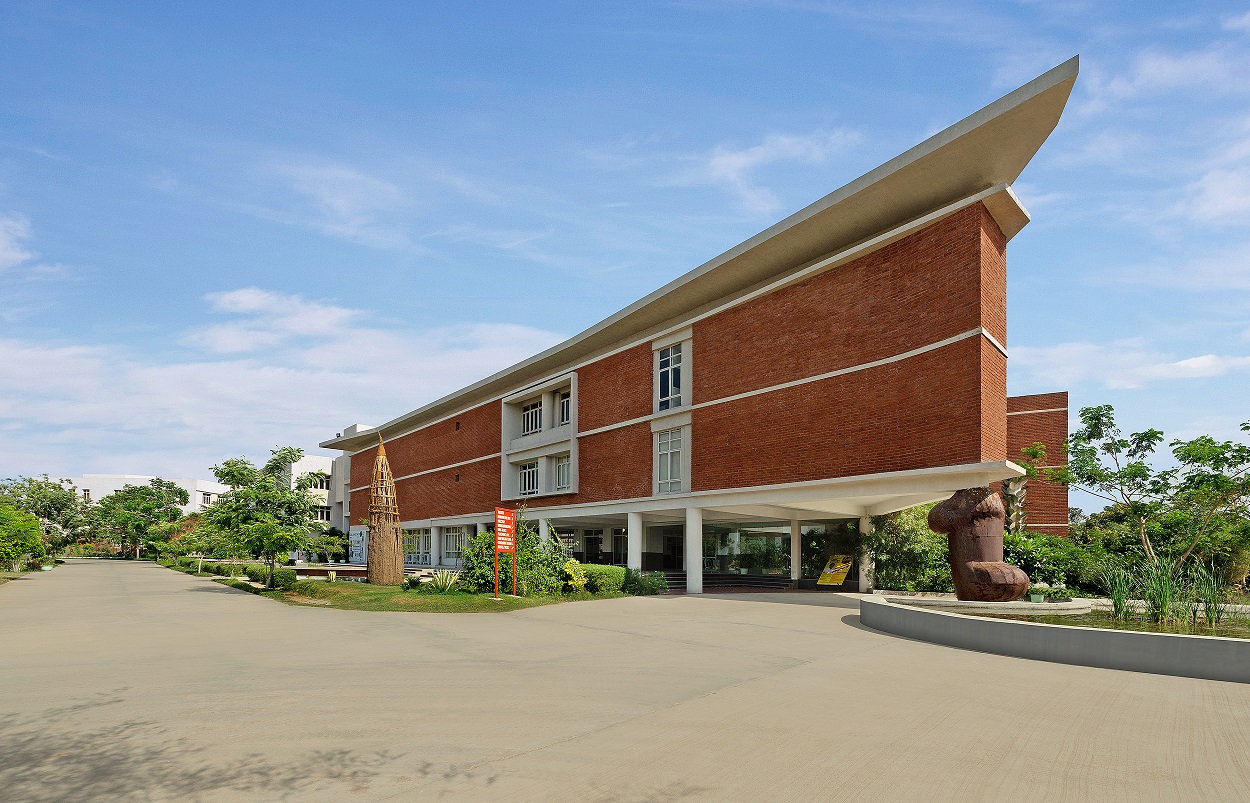
Among the universities gaining attention in Gujarat, ITM (SLS) Baroda University has gradually built a reputation around professional education, industry-oriented programs, and career-focused technical learning.
According to the official university website, ITM (SLS) Baroda University focuses on innovation-driven education, practical exposure, industry integration, and multidisciplinary learning environments for students pursuing professional programs.
But honestly, students should understand something very clearly before joining any B.Tech Information Technology program:
A B.Tech degree alone no longer guarantees a successful technology career.
The students who usually perform best during placements are the ones who:
- continuously improve coding skills,
- build technical projects,
- participate in hackathons,
- learn modern technologies,
- work on communication skills,
- and actively learn outside classroom lectures.
The university can provide opportunities and exposure.
Your consistency and practical skills are what actually shape your technology career.
Why Information Technology Careers Are Growing Rapidly
The global technology industry today looks completely different from what it was even five years ago.
Earlier, IT careers were mostly limited to:
- basic software development,
- network support,
- hardware management,
- and IT maintenance roles.
Now companies are hiring technology professionals for:
- Artificial Intelligence,
- Cloud Computing,
- Cyber Security,
- Data Analytics,
- Software Engineering,
- Digital Transformation,
- Automation Systems,
- Internet of Things (IoT),
- and Full Stack Development.
According to the World Economic Forum Future of Jobs Report, analytical thinking, AI literacy, technology skills, creative problem-solving, and adaptability are among the fastest-growing professional skills globally.
Similarly, the latest LinkedIn Skills on the Rise Report highlights increasing demand for software engineering, AI tools, cloud systems, cybersecurity, and data-focused technical skills across industries.
This shift is exactly why Information Technology programs today are becoming far more industry-relevant than many students initially realize.
What Makes B.Tech Information Technology at ITM (SLS) Baroda University Different?
One thing students usually notice quickly about modern IT education is that practical exposure matters much more than theoretical memorization.
At ITM (SLS) Baroda University, the B.Tech Information Technology program is designed to introduce students to:
- software development concepts,
- programming languages,
- cloud technologies,
- network systems,
- database management,
- AI-integrated technologies,
- and industry-oriented projects.
Unlike traditional engineering learning models where students mostly focus on classroom lectures, IT students today usually learn faster through:
- coding practice,
- hackathons,
- mini projects,
- industry workshops,
- technical competitions,
- internships,
- and practical software development exposure.
And honestly, this practical environment matters a lot in the IT industry.
Because recruiters today usually evaluate students based on:
- coding ability,
- problem-solving,
- technical projects,
- internship experience,
- and communication skills
rather than only academic marks.
What Students Actually Learn During B.Tech Information Technology
The learning experience depends on electives and project exposure, but overall students generally build understanding in areas like:
- Programming Fundamentals
- Data Structures & Algorithms
- Database Management Systems
- Cloud Computing
- Operating Systems
- Computer Networks
- Artificial Intelligence Basics
- Cyber Security Concepts
- Software Engineering
- Web Technologies
- Mobile Application Development
- Data Analytics
- Technical Communication
- Industry-Oriented Projects
Students are also introduced to practical technologies and tools such as:
- Python
- Java
- C++
- SQL
- Cloud Platforms
- GitHub
- Web Development Frameworks
- AI-related tools
And honestly, practical coding exposure becomes extremely important during placements.
Because companies usually care far more about technical skills and project quality than theoretical exam performance alone.
B.Tech Information Technology Fees at ITM (SLS) Baroda University
One thing students and parents should realistically evaluate before joining a private engineering university is the total cost of education.
Engineering programs involving advanced labs, technical infrastructure, computing systems, and hostel facilities can become a significant investment.
| Fee Component | Approximate Amount |
|---|---|
| Annual Tuition Fee | Rs 1.1 lakh - Rs 1.8 lakh |
| Total B.Tech Program Fee | Rs 4.5 lakh - Rs 8 lakh |
| Hostel Charges | Rs 80,000 - Rs 1.3 lakh yearly |
| Additional Charges | Lab fees, exam fees, registration charges may apply separately |
Fee estimates are based on publicly available engineering admission data, university brochures, and course information available across educational research platforms including Eduvow and higher education portals.
Source: ITM SLS Baroda University Fee Structure
But honestly, ROI in technology education depends heavily on:
- coding skills,
- internships,
- projects,
- communication abilities,
- industry certifications,
- and continuous technical learning
rather than only the university name itself.
Internships and Practical Exposure Matter More Than Students Realize
Technology students usually grow much faster when they actively participate outside classroom academics.
Things like:
- hackathons,
- coding competitions,
- internships,
- startup projects,
- technical clubs,
- open-source projects,
- and industry workshops
often become equally important as regular classroom learning.
Because the technology industry rewards practical problem-solving much more than memorization.
According to hiring trends highlighted in recent LinkedIn technology workforce reports, employers increasingly prefer candidates with hands-on project exposure, communication ability, and real-world technical understanding.
Placement Opportunities and Career Scope After B.Tech IT
Information Technology graduates today can explore opportunities across multiple industries because technology now powers almost every business sector.
Common career roles include:
- Software Developer
- Cloud Engineer
- Cyber Security Analyst
- Full Stack Developer
- Data Analyst
- Web Developer
- System Engineer
- AI Support Engineer
- Technical Consultant
- IT Support Specialist
Expected Salary Range
| Career Stage | Expected Salary |
|---|---|
| Freshers | Rs 3.5 LPA - Rs 6 LPA |
| Strong Coding & Internship Profiles | Rs 6 LPA - Rs 12 LPA+ |
| Experienced IT Professionals | Rs 12 LPA - Rs 30 LPA+ |
Salary estimates are based on publicly available technology hiring data from Glassdoor India, AmbitionBox, LinkedIn salary insights, and Naukri technology hiring trends where software engineering, AI, cybersecurity, and cloud-related roles continue showing strong demand.
Source: ITM SLS Baroda University Placement Data
Campus Life and Technical Development
Engineering education can become exhausting if students only focus on lectures and exams.
Students generally improve faster when they participate in:
- technical communities,
- coding clubs,
- innovation competitions,
- group projects,
- startup ecosystems,
- communication activities,
- and collaborative technical learning.
Because technology companies today value:
- teamwork,
- communication,
- problem-solving,
- adaptability,
- and practical thinking
almost as much as technical knowledge.
FAQ
Q1. Is B.Tech Information Technology at ITM (SLS) Baroda University worth it?
It can be a strong option for students genuinely interested in software development, coding, cloud systems, and technology careers. The university provides industry-oriented learning opportunities, but student effort and skill-building remain extremely important.
Q2. Does Information Technology have good career scope in India now?
Yes. Technology careers connected with AI, cloud computing, cybersecurity, software engineering, and digital systems are growing rapidly because businesses across industries increasingly depend on digital infrastructure and automation.
Q3. Is coding important even if the university provides placements?
Absolutely. Coding ability, projects, internships, and technical problem-solving play a major role during placements today. Recruiters usually prioritize practical technical skills over theoretical academic performance alone.
Q4. What is the difference between CSE and IT?
Both fields are closely related, but Information Technology focuses more on software systems, networking, databases, cloud infrastructure, and practical IT implementation, while Computer Science often includes deeper theoretical computing concepts.
Q5. Are internships important during B.Tech IT?
Yes. Internships provide real industry exposure, improve technical confidence, and help students understand how software development and IT systems work in professional environments before full-time placements begin.
Q6. Which IT skills are currently most in demand?
Skills related to Artificial Intelligence, cloud computing, cybersecurity, data analytics, software engineering, and full stack development are currently among the fastest-growing technology skill areas globally.
Q7. Is B.Tech Information Technology expensive in private universities?
Technology education in private universities can become a significant investment because of modern labs, technical infrastructure, and hostel costs. Students should carefully evaluate fees alongside long-term career opportunities.
Q8. Do communication skills matter in technology careers?
Yes. Modern IT professionals frequently work in teams, interact with clients, and explain technical solutions. Strong communication skills often help students perform better during interviews and workplace collaborations.
Final Thoughts
B.Tech Information Technology at ITM (SLS) Baroda University is not just a traditional engineering degree focused only on classroom theory.
The university attempts to provide:
- practical technical learning,
- industry-oriented education,
- coding exposure,
- project-based learning,
- innovation-focused activities,
- professional development,
- and career-oriented technical education.
But technology careers today are highly skill-driven.
Your:
- coding ability,
- technical projects,
- internships,
- communication skills,
- consistency,
- and willingness to continuously learn
will ultimately shape your career far more than the degree name alone.
If you genuinely enjoy technology, problem-solving, software systems, and continuous learning, B.Tech Information Technology at ITM (SLS) Baroda University can become a strong foundation for future digital careers.
For more information: ITM (SLS) Baroda University