

Mental health has become one of the most important areas of healthcare, education, organizational development, and social well-being in the 21st century. Growing awareness about emotional wellness, workplace stress, behavioral disorders, child development, organizational psychology, counselling, and human performance has significantly increased the demand for qualified psychology professionals.
Psychology today extends far beyond traditional counselling. Professionals are contributing to healthcare, corporate organizations, schools, rehabilitation centers, sports institutions, military organizations, research laboratories, legal systems, NGOs, and government agencies by helping individuals understand human behavior and improve psychological well-being.
An M.A. Applied Psychology equips students with advanced theoretical knowledge and practical skills in counselling, psychological assessment, behavioral sciences, mental health intervention, organizational behavior, research methodology, and psychotherapy. The program prepares graduates to apply psychological principles to solve real-life individual, organizational, educational, and community challenges.
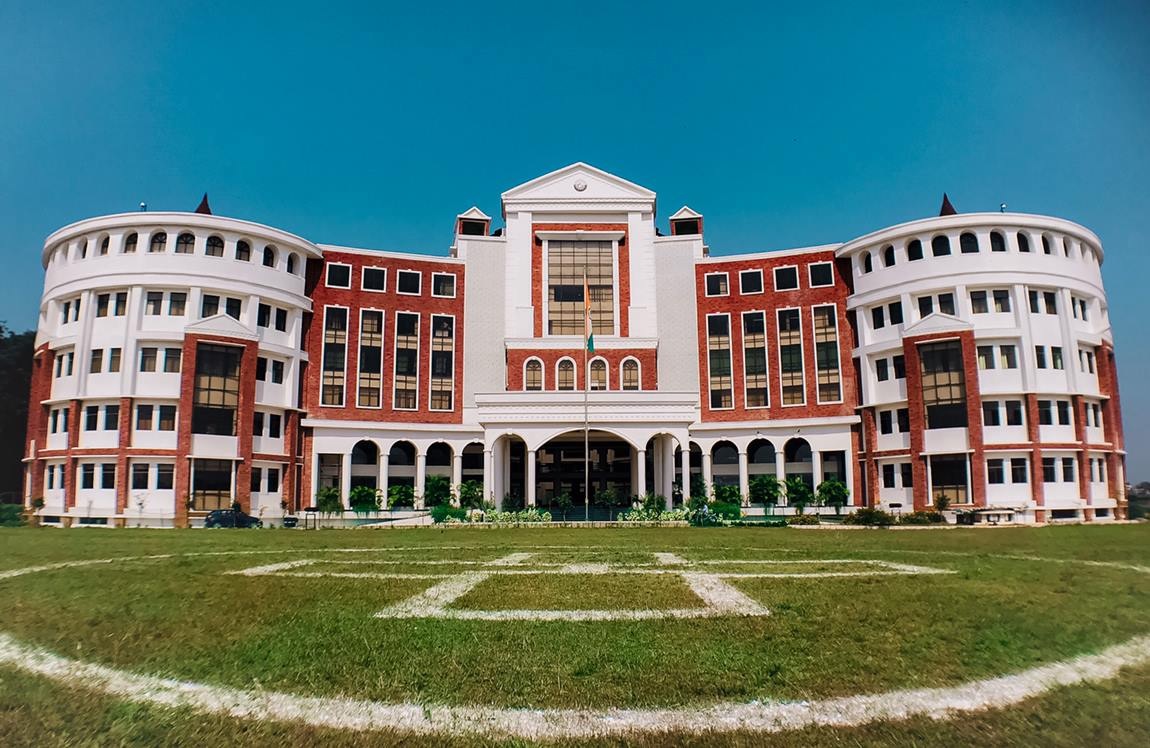
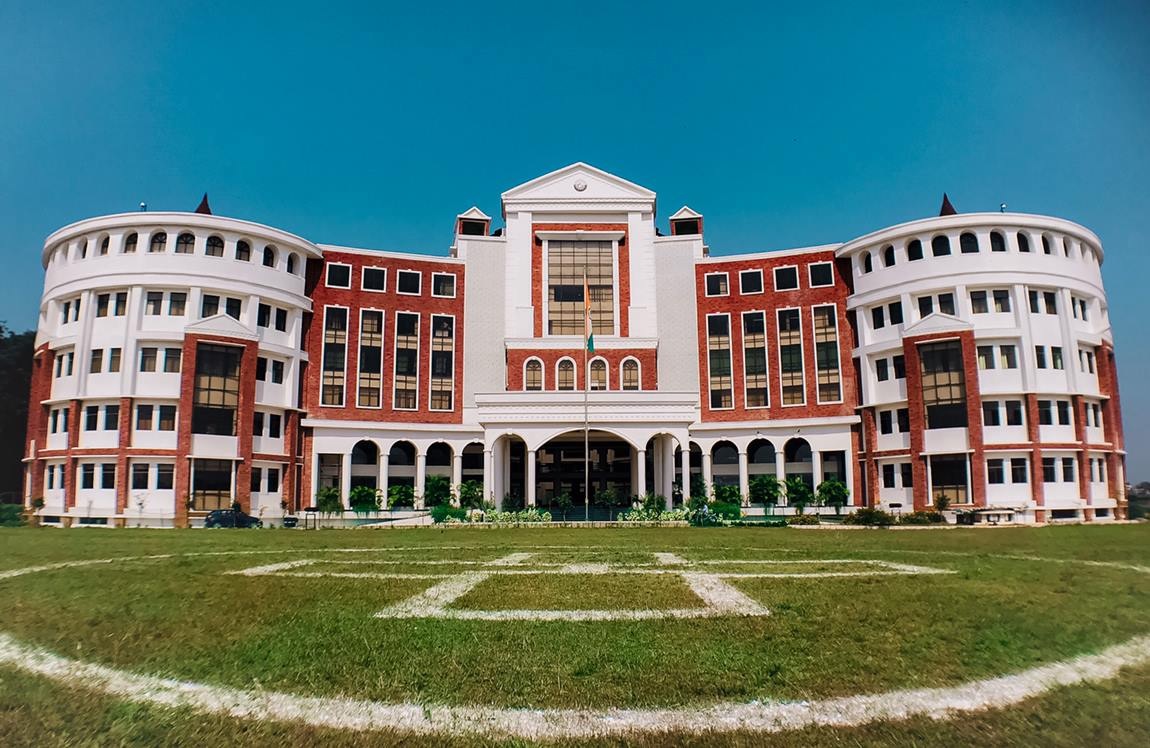
Among the universities offering postgraduate psychology education, Graphic Era University, Dehradun has developed programs that emphasize academic excellence, practical exposure, research, innovation, interdisciplinary learning, and holistic student development.
According to information available through the official Graphic Era University website, the university focuses on experiential learning through modern academic infrastructure, research opportunities, expert faculty, practical training, workshops, seminars, and industry-academia collaboration that help students develop professional competencies.
Educational guidance available on Eduvow also recommends that students selecting postgraduate psychology programs should evaluate faculty expertise, practical counselling exposure, internship opportunities, research facilities, curriculum relevance, placement support, and long-term career opportunities instead of focusing solely on the degree title.
However, completing an M.A. Applied Psychology is only the beginning of a professional journey. Successful psychologists continuously enhance their knowledge through research, internships, counselling practice, professional certifications, and lifelong learning because human behavior and mental health continue to evolve with changing social and technological environments.
Why Psychology Is Becoming One of the Fastest Growing Career Fields
Rapid urbanization, technological advancements, changing lifestyles, workplace pressures, academic competition, and increasing awareness about mental health have transformed psychology into one of the most relevant disciplines across industries.
Today, psychologists contribute not only to mental healthcare but also to education, human resource management, consumer behavior, organizational leadership, rehabilitation, sports performance, criminal justice, and public policy.
Some emerging domains creating opportunities for psychology professionals include:
- Clinical Psychology
- Counselling Psychology
- Organizational Psychology
- Industrial Psychology
- Educational Psychology
- Child and Adolescent Psychology
- Sports Psychology
- Health Psychology
- Behavioral Science
- Positive Psychology
- Neuropsychology
- Community Mental Health
According to the World Economic Forum Future of Jobs Report 2025, analytical thinking, emotional intelligence, resilience, empathy, leadership, communication, problem-solving, and adaptability are becoming increasingly valuable across industries-qualities that psychology professionals are uniquely trained to understand and develop.
The LinkedIn Skills on the Rise 2026 report also highlights communication, relationship management, coaching, leadership, emotional intelligence, conflict resolution, collaboration, and human-centered problem-solving among the fastest-growing workplace competencies.
These trends indicate that psychology graduates who combine professional counselling skills with research, ethics, digital literacy, and interpersonal competence will continue to find opportunities across multiple sectors in the coming years.
Why Choose M.A. Applied Psychology at Graphic Era University?
A quality postgraduate psychology program should combine theoretical foundations with practical training, psychological assessments, counselling practice, research methodology, ethical understanding, and professional development.
According to information available through the Graphic Era University Official Website, students benefit from experienced faculty, modern learning resources, research-oriented education, workshops, seminars, practical training, and interdisciplinary academic exposure that prepare them for professional careers and higher studies.
The program encourages students to develop scientific thinking, counselling competencies, psychological assessment skills, research capabilities, and ethical decision-making required for working with individuals, families, educational institutions, healthcare organizations, and corporate environments.
Major Highlights of the M.A. Applied Psychology Program
- Industry-Relevant Curriculum
- Research-Oriented Learning
- Practical Counselling Exposure
- Psychological Assessment Training
- Experienced Faculty Mentorship
- Seminars and Workshops
- Internship Opportunities
- Case Study-Based Learning
- Behavioral Research Projects
- Holistic Personality Development
- Placement Assistance
- Interdisciplinary Learning Environment
M.A. Applied Psychology Curriculum: What Students Learn
The curriculum is designed to provide advanced knowledge of human behavior while strengthening practical counselling, research, and psychological assessment skills.
Although subjects may vary depending on curriculum updates, students generally study:
- Advanced Cognitive Psychology
- Counselling Psychology
- Clinical Psychology
- Psychological Assessment
- Research Methodology
- Statistics for Behavioral Sciences
- Psychotherapy Techniques
- Industrial and Organizational Psychology
- Health Psychology
- Positive Psychology
- Child Psychology
- Behavior Modification
- Psychological Testing
- Dissertation and Research Project
- Internship and Field Work
Learning Beyond Classroom Education
Applied Psychology is a practice-oriented discipline. Students develop professional competence through counselling sessions, case analysis, internships, psychological testing, field visits, workshops, supervised practice, research projects, and interaction with experienced psychologists.
Students are encouraged to participate in mental health awareness campaigns, behavioural research, counselling workshops, community outreach activities, psychology conferences, and interdisciplinary seminars that enhance practical understanding of human behavior.
Those interested in expanding their professional knowledge beyond the classroom can explore resources offered by the American Psychological Association (APA), which publishes evidence-based information on psychology, mental health, research methods, ethics, and professional practice. Continuous learning through such globally recognized resources helps psychology students stay updated with evolving practices and research.
Graduates who combine university education with internships, counselling practice, research publications, certifications, ethical practice, and lifelong learning generally build stronger professional profiles and enjoy broader career opportunities in psychology and behavioral sciences.
Research Opportunities and Practical Training
Research plays a vital role in postgraduate psychology education because evidence-based practice forms the foundation of modern psychological interventions. Students pursuing M.A. Applied Psychology are encouraged to understand research methodologies, conduct behavioral studies, analyze psychological data, and interpret findings using scientific approaches.
According to information available through the Graphic Era University Official Website, students are encouraged to participate in research activities, faculty-guided projects, seminars, workshops, conferences, internships, and practical training that strengthen both academic knowledge and professional competence.
Research experience not only develops analytical thinking but also helps students understand ethical practices, psychological assessment, counseling interventions, behavioral observation, and scientific reporting-skills that are highly valued by employers and higher education institutions.
Students may gain practical exposure through:
- Psychological Case Studies
- Counselling Practice
- Behavioral Observation
- Research Projects
- Dissertation Work
- Psychological Testing
- Community Mental Health Programs
- Workshops and Seminars
- Clinical Exposure
- Faculty-Guided Research
Internships and Field Exposure
Applied Psychology emphasizes learning through real-world experiences. Practical exposure allows students to understand how psychological theories are applied while working with individuals, families, organizations, educational institutions, hospitals, and community groups.
According to the Graphic Era University Official Website, students are encouraged to participate in internships, field visits, practical counselling sessions, community outreach activities, workshops, and professional interaction that complement classroom education.
Field exposure enables students to develop communication skills, empathy, counseling techniques, observation abilities, ethical decision-making, documentation skills, and confidence while interacting with diverse populations.
M.A. Applied Psychology Fee Structure
Students should evaluate the overall academic value of a postgraduate psychology program by considering faculty expertise, practical training, research opportunities, laboratory facilities, internship support, industry exposure, and career guidance rather than tuition fees alone.
| Fee Component | Details |
|---|---|
| Program Duration | 2 Years (Full-Time) |
| Tuition Fee | As per latest university guidelines |
| Laboratory / Practical Charges | Applicable as prescribed by the university |
| Hostel Fee | Applicable for residential students |
| Scholarships | Available for eligible students under university policies |
Note: Students should always verify the latest fee structure, scholarships, eligibility criteria, admission schedule, and specialization details through the Graphic Era University Official Website.
Placement Preparation and Career Development
The field of psychology requires professionals who possess empathy, communication skills, emotional intelligence, analytical thinking, ethical understanding, research capability, and interpersonal competence. Therefore, placement preparation focuses on developing both technical knowledge and professional behavior.
According to information available through the Graphic Era University Official Website and educational guidance available on Eduvow, students receive career support through personality development, communication training, internships, resume building, interview preparation, research guidance, and industry interaction.
| Career Development Area | Student Benefit |
|---|---|
| Counselling Skills | Improves client interaction and intervention abilities |
| Research Methodology | Strengthens scientific investigation skills |
| Psychological Assessment | Develops professional evaluation competencies |
| Communication Skills | Enhances counselling effectiveness |
| Resume Building | Creates a professional career profile |
| Mock Interviews | Builds confidence during recruitment |
| Internship Experience | Provides practical exposure to professional settings |
| Industry Interaction | Helps understand employer expectations |
Career Opportunities After M.A. Applied Psychology
An M.A. Applied Psychology opens career opportunities across healthcare, education, corporate organizations, NGOs, rehabilitation centers, research institutions, social development organizations, and government agencies. Career growth depends upon specialization, practical experience, internships, certifications, and continuous professional development.
| Industry Sector | Career Opportunities |
|---|---|
| Hospitals & Healthcare | Counsellor, Mental Health Professional |
| Educational Institutions | School Counsellor, Student Wellness Coordinator |
| Corporate Organizations | HR Specialist, Organizational Behaviour Consultant |
| NGOs | Community Counsellor, Program Coordinator |
| Rehabilitation Centres | Behaviour Therapist, Rehabilitation Counsellor |
| Research Organizations | Research Associate, Behavioural Researcher |
| Government Sector | Psychology Professional, Social Welfare Officer |
| Healthcare Startups | Wellness Consultant, Mental Health Coordinator |
| Consulting Firms | Behaviour Analyst, Training Consultant |
| Private Practice | Counsellor (subject to applicable professional regulations and qualifications) |
With increasing awareness about mental health, employee well-being, emotional resilience, educational counselling, and behavioural sciences, qualified psychology professionals are expected to witness expanding career opportunities across public and private sectors in the coming years.
Higher Education and Professional Certifications After M.A. Applied Psychology
An M.A. Applied Psychology provides students with advanced knowledge of human behaviour, counselling, psychological assessment, and research. However, psychology is a dynamic discipline where continuous learning is essential to remain professionally relevant and ethically competent.
Many graduates pursue higher education or professional certifications to specialize in clinical practice, organizational consulting, child psychology, neuropsychology, behavioural sciences, and mental health interventions.
Popular higher education and certification options include:
- Ph.D. in Psychology
- M.Phil. (where applicable under prevailing regulations)
- Diploma in Guidance & Counselling
- Cognitive Behaviour Therapy (CBT) Certification
- Child & Adolescent Counselling Certification
- Industrial & Organizational Psychology Programs
- Behaviour Therapy Certification
- Positive Psychology Certification
- Psychological Assessment Certification
- Research Methodology Programs
- Mental Health First Aid Certification
Students interested in evidence-based psychological practice can also explore learning resources published by the American Psychological Association (APA), which offers research articles, ethical guidelines, counselling resources, and updates on modern psychological practices followed by professionals worldwide.
Campus Life Beyond Academics
Psychology education extends beyond lectures and practical sessions. Students develop communication skills, empathy, leadership, teamwork, ethical understanding, and interpersonal competence through active participation in campus activities and professional engagement.
According to information available through the Graphic Era University Official Website, students participate in seminars, workshops, cultural activities, community outreach programs, technical events, personality development sessions, sports, and research conferences that contribute to holistic development.
Students can actively participate in:
- Mental Health Awareness Campaigns
- Psychology Workshops
- Research Conferences
- Community Outreach Programs
- Student Counselling Initiatives
- Leadership Development Activities
- Cultural Festivals
- Sports Competitions
- Professional Seminars
- Interdisciplinary Academic Events
Participation in these activities helps students strengthen communication, leadership, empathy, teamwork, ethical decision-making, public speaking, networking, and professional confidence-qualities that are highly valued in psychology-related careers.
The Future of Psychology Careers
The future of psychology is becoming increasingly interdisciplinary. Advances in neuroscience, Artificial Intelligence, digital mental health platforms, workplace well-being, behavioural analytics, tele-counselling, educational psychology, and organizational development are expanding the scope of psychology professionals across multiple industries.
According to the World Economic Forum Future of Jobs Report 2025, analytical thinking, resilience, empathy, leadership, communication, emotional intelligence, adaptability, and problem-solving will remain among the most valuable human skills in the evolving workplace.
The LinkedIn Skills on the Rise 2026 report similarly highlights coaching, relationship management, leadership, communication, conflict resolution, collaboration, emotional intelligence, and people management as rapidly growing professional competencies across industries.
Graduates who combine postgraduate education with internships, counselling experience, behavioural research, certifications, ethical practice, and continuous professional development are likely to build rewarding careers across healthcare, education, corporate organizations, social development, research institutions, and consulting firms.
Frequently Asked Questions (FAQs)
Q1. Is M.A. Applied Psychology from Graphic Era University a good career option?
Yes. The program combines theoretical knowledge, counselling practice, research, psychological assessment, internships, and practical learning to prepare students for careers in mental health, education, research, and corporate sectors.
Q2. Does the program include practical counselling training?
Yes. Students gain practical exposure through counselling sessions, case studies, internships, psychological assessments, field visits, workshops, and supervised practical learning experiences.
Q3. What career opportunities are available after M.A. Applied Psychology?
Graduates can work as counsellors, behavioural analysts, HR professionals, wellness consultants, researchers, rehabilitation specialists, educational counsellors, and psychology professionals across multiple industries.
Q4. Can students pursue a Ph.D. after completing this program?
Yes. An M.A. Applied Psychology provides a strong academic and research foundation for doctoral studies in psychology, behavioural sciences, counselling, and related interdisciplinary fields.
Q5. Are internships an important part of the program?
Yes. Internships provide valuable practical experience by allowing students to apply counselling techniques, psychological assessments, communication skills, and ethical practices in professional environments.
Q6. Which skills should psychology students focus on developing?
Students should strengthen communication, empathy, counselling techniques, research methodology, psychological assessment, ethical practice, analytical thinking, observation skills, and emotional intelligence throughout the program.
Q7. Does Graphic Era University provide placement support?
Yes. Students receive career guidance through internships, personality development, resume building, interview preparation, communication training, industry interaction, and placement assistance initiatives.
Q8. Is Applied Psychology relevant in 2026 and beyond?
Yes. Growing awareness of mental health, employee wellness, behavioural science, counselling, and organizational development continues to create increasing demand for qualified psychology professionals worldwide.
Q9. How can students improve employability during the program?
Students should complete internships, participate in research, attend workshops, develop counselling experience, earn certifications, strengthen communication skills, and continuously update psychological knowledge.
Q10. Can M.A. Applied Psychology graduates work in corporate organizations?
Yes. Graduates can contribute to human resources, employee wellness, leadership development, behavioural training, organizational development, learning and development, and workplace mental health initiatives.
Final Thoughts
An M.A. Applied Psychology from Graphic Era University, Dehradun offers students an opportunity to develop a deeper understanding of human behaviour while building practical counselling, research, communication, and psychological assessment skills. The program combines academic learning with practical exposure, preparing graduates for diverse careers in mental health, education, research, healthcare, and organizational development.
According to information available through the Graphic Era University Official Website and educational guidance published on Eduvow, students benefit from experienced faculty, research-oriented education, practical learning opportunities, internships, and holistic personality development that support long-term professional growth.
Success in psychology, however, depends not only on earning a postgraduate degree but also on continuous learning, ethical practice, empathy, practical counselling experience, and a commitment to improving individual and community well-being. Graduates who embrace lifelong learning and evidence-based practice will be well-positioned to make meaningful contributions across diverse professional settings.
If you aspire to build a career in counselling, behavioural sciences, organizational psychology, research, education, healthcare, or mental wellness, pursuing an M.A. Applied Psychology from Graphic Era University, Dehradun can provide a strong academic and professional foundation.
For More Information: Graphic Era University, Dehradun